

 About the Fellowship
Morality & Medicine
Circumcision: Age-Old Rite Faces Modern Concerns

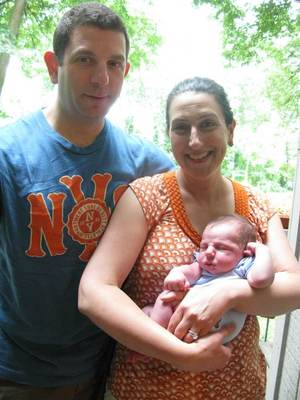
FFor many couples, having a baby is a spiritual experience. For Jews, there's another, religious, element that is intrinsic to the Jewish identity. Nearly all Jewish parents have their baby boys circumcised, as commanded by God in the Bible. And yet, for some Jewish couples, whether to circumcise or not is becoming an agonizing decision.
The ritual dates back four millennia to the book of Genesis, where God made Abraham a deal. God promised to give Abraham children, land and a special relationship as his God. In exchange, God said, "Every manchild among you shall be circumcised. And ye shall circumcise the flesh of your foreskin, and it shall be a token of the covenant betwixt me and you."
Some 4,000 years after God made that covenant with the world's first Jew, the contract still holds. And on their eighth day, Jewish boys make good on that promise. "This is one of the most important things we do as a people," says Steven Adashek, a doctor and mohel who has performed more than 3,500 circumcisions.
"In the 613 Mitzvah commandments given in the Torah, which are given in order of importance, doing the bris [circumcision ceremony] is the second one listed, which means the second most important one that we do," he says. "The only one that takes precedence is that first commandment, which was 'Be fruitful and multiply.'"
A 'Transcendent' Bris Ceremony
On 8-day-old Bram Goldstein's big day, several dozen friends and family gather at 10 a.m. at a friends' home in Maryland to celebrate the boy's entrance into Judaism. Susanna Garfein, Bram's mother, says she's emotional, but not squeamish. Neither she nor her husband, Ross Goldstein, is having second thoughts. "It is something that has a history, that more so than anything else, connects people to their Jewish identity," she says. "We knew we wanted to raise him Jewish and that's the first step on that process," adds her husband, Ross. "This is tradition, it is part of our culture, it is what we do, and there was no question that we would do this."
Before the ceremony, the parents and Dr. Steven Adashek whisk Bram to a bedroom upstairs, where the mohel does last-minute preparations. Increasingly, couples are seeking out mohels with a medical degree, because they can administer a local anesthetic and help avoid both the pain and the crying during the ceremony. "If we can do something more to alleviate pain, we should," Adashek says. "The Torah says we have to do this on the eighth day, but nowhere does it say it has to hurt. The best bris is where everybody cries except the baby."
listen now or download All Things Considered
China Steps Up to AIDS Challenges
Nation set to tackle epidemic through community groups and cooperation with other developing countries.


Michel Sidibé, executive director of the Joint United Nations Programme on HIV/AIDS (UNAIDS), made a whirlwind visit to China this week — meeting the vice-premier and health minister, attending the launch of a programme to address the country's growing HIV epidemic among men who have sex with men (MSM) and participating in the first ministerial summit on global health with officials from Brazil, Russia, India, China and South Africa (BRICS).
He talks to Nature about the challenges that China faces in tackling AIDS, and why it is crucial for BRICS countries to join forces on global public health.
China launched its HIV/AIDS-response programmes almost a decade ago. How would you assess the efforts?
China has made serious progress. Funding has more than quadrupled since 2003 and AIDS-related deaths have been reduced by 64%. The country no longer has major problems with the safety of blood transfusions. It has established one of the biggest methadone-treatment and needle-exchange programmes in the world. It has lifted travel restrictions for foreigners with HIV and AIDS and is the first country to develop a five-year plan based on UNAIDS' 'Getting to Zero' strategy — which aims for zero new HIV infections, zero discrimination and zero AIDS-related deaths worldwide.
There are still major gaps on stigma and discrimination, high-risk populations — especially MSM — and support for community-based organizations. But I see attitudes changing, and the top leaders are willing to tackle these issues.
China is stepping up its detection programme, including mandatory HIV testing in hospitals and among high-risk populations. What's your view on the initiative?
The major failure of our AIDS programme today is people's lack of knowledge of their HIV status. If we start people on treatment early, we can reduce transmission by 96%. The strategy of dedicated voluntary counselling and testing centres is not always effective, because people often don't come forward for fear of stigma and discrimination.
We're now shifting towards routine testing in hospitals and clinics, but testing must always be confidential and voluntary, with the right counselling. The danger of mandatory testing is that people could be discriminated against and go underground.
First Patients Treated in New Human Embryonic Stem Cell Study


Researchers have treated the first two patients in the second government-authorized attempt to evaluate a therapy created using human embryonic stem cells in the United States.
A team led by Steven Schwartz, M.D., at UCLA administered about 50,000 cells Tuesday into one eye of a volunteer suffering from Stargardt Macular Dystrophy, a progressive form of blindness that usually begins in childhood, and another with Dry Age-Related Macular Degeneration, the leading cause of blindness in the developed world, Advanced Cell Technology, which is sponsoring the study, announced Thursday.
"The great promise of these cells is finally being put to the test," said Robert Lanza, the company’ chief scientific officer, in a statement. "The initiation of these two clinical trials marks an important turning point for the field."
No additional details about the procedures were released. But Gary Rabin, the company’s interim chairman and chief executive officer, said the research "could not have started any smoother." No details were released about the patients either. But the company said they were "recovering uneventfully" and Schwartz said "early indications are that the patients tolerated the surgical procedures well."
The Food and Drug Administration in November approved the company’s plans to test cells created from human embryonic stem cells on 12 patients suffering from each condition. Each patient will undergo a procedure in which between 50,000 to 200,000 retinal pigmented epithelial cells created from human embryonic stem cells will be injected into their eyes. Researchers hope the cells will replace those ravaged by the diseases.
Tracking Disease
Hajj health and Hajj medicine

Penn State Public Broadcasting interview on the public health dangers to pilgrims of making the Hajj.
listen now or download Listen
Stem Cells Were God's Will, Says First Recipient of Treatment

CHATOM, Ala. — When Timothy J. Atchison regained consciousness, he was drenched in blood and pinned in his car on the side of a dark rural road.
"I was just pouring blood," said Atchison, 21, who said he recoiled in pain when he tried to drag himself through a window of the wrecked Pontiac, a high-school graduation gift. "I didn’t know if I was going to bleed to death or not."
Then, Atchison said, he realized that his legs felt strangely huge — and completely numb. He was paralyzed from the chest down.
"I was just praying — asking for forgiveness and thanking God for keeping me alive," said Atchison, who was trapped for at least an hour before rescuers freed him. "I said, ‘From here on out, I’m going to live for you and nothing else.’ I never got down after that. I figure that’s what must have kept me up — God keeping me up."
That sense of destiny propelled Atchison when he faced another shock just seven days later: Doctors asked him to volunteer to be the first person to have an experimental drug made from human embryonic stem cells injected into his body.
"We were just stunned," said Atchison, who was with his mother and grandfather when researchers approached him. "We were like, ‘Whoa, really?’ We were all just kind of in awe."
Atchison, known to friends and family as T.J., described the events during an interview Tuesday with The Washington Post — his first detailed account since disclosing his carefully guarded identity to The Post. Atchison’s story reveals provocative insights into one of the most closely watched medical experiments, including what some might see as irony: that a treatment condemned on moral and religious grounds is viewed by the first person to pioneer the therapy, and by his family, as part of God’s plan.
"It wasn’t just luck or chance," said Atchison, who, six months after the treatment, thinks he might be feeling the first signs that the cells are helping him.
"It was meant to be."
Obama Administration Replaces Controversial 'Conscience' Regulation for Health-Care Workers
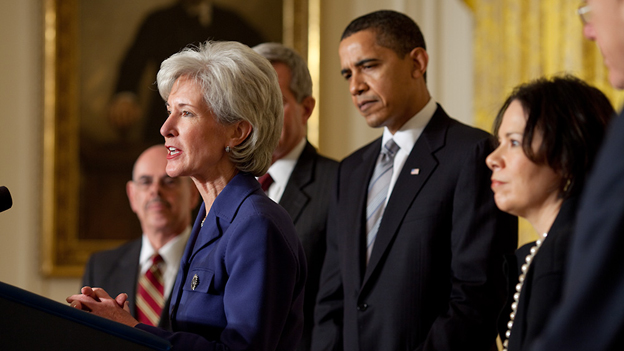
fter two years of struggling to balance the rights of patients against the beliefs of health-care workers, the Obama administration on Friday finally rescinded most of a federal regulation designed to protect those who refuse to provide care they find objectionable on moral or religious grounds.
The decision guts one of President George W. Bush's most controversial legacies: a rule that was widely interpreted as shielding workers who refuse to participate in a range of medical services, such as providing birth control pills, caring for gay men with AIDS and performing in-vitro fertilization for lesbians or single women.
Friday's move was seen as an important step in countering that trend, which in recent years had led pharmacists to refuse to fill prescriptions for the emergency contraceptive Plan B, doctors in California to reject a lesbian's request for infertility treatment, and an ambulance driver in Chicago to turn away a woman who needed transportation for an abortion. "Without the rescission of this regulation, we would see tremendous discrimination against patients based on their behavior and based just on who they are," said Susan Berke Fogel of the National Health Law Program, an advocacy group based in the District. "We would see real people suffer, and more women could die."
France Set to Renew Tight Limits on Stem Cells, IVF--a Priority for French Catholic Church


(Reuters) - France's parliament opened debate on revising its bioethics laws on Tuesday amid protests that Catholic Church lobbying had thwarted plans to ease the existing curbs on embryonic stem cell research. The bill, originally meant to update a 2004 law in light of rapid advances in the science of procreation, would also uphold bans on surrogate motherhood and assisted procreation for gays.
The debate coincided with news of France's first "saviour sibling," a designer baby conceived in vitro to provide stem cells to treat a brother suffering from a severe blood disorder. Critics of the bill said last-minute changes by deputies of the governing conservative UMP party meant the revision would hardly change the restrictive law currently on the books.
The text retains tight limits for research on embryonic stem cells, a technology the Catholic Church vigourously opposes because the in-vitro fertilisation (IVF) method used to produce them creates extra embryos that are later discarded.
"The Catholics have succeeded in imposing their view on embryos and seem to be succeeding in their attack on this method," said Francois Olivennes, a leading fertility expert.
"We propose the authorisation" of this research, said Alain Claeys, a deputy from the opposition Socialist Party.
The French Catholic Church has made bioethics a priority issue and overseen reports, public meetings and lobbying efforts to oppose an easing and aim for a tightening of the current law. The bill does not meet all the Church's demands. Among other things, it supports prenatal screening for Down's syndrome, which if found usually leads to an abortion.
PEOPLE ARE NOT INSTRUMENTS
Olivennes said the bill, which bans embryonic stem cell research in all but a few specific cases, tightened the 2004 law because it permitted production of only three embryos rather than the unlimited number allowed until now. "We already have a very retrograde law compared to those in Spain, Britain, Belgium, Netherlands and all of Scandinavia," he said. "Nothing is advancing."
Paris Cardinal Andre Vingt-Trois kept up Catholic criticism of controversial new medical techniques, saying the "saviour baby" whose birth was announced on Tuesday was produced to be used to heal another child.
Bioethics Comes of Age

Our guest this week is Arthur Caplan, sometimes called the country's "most quoted bioethicist" and director of the Center for Bioethics at the University of Pennsylvania. In this wide ranging episode, Caplan discusses not only the latest issues and problems in his field, but also how those issues have changed over time.
Fresh from the ideological fights of the Bush administration-over culture war issues like stem cells, cloning, and Terri Schiavo-bioethicists like Caplan are now more focused on practical matters like access to healthcare. And so is the country as a whole.
However, the religious right remains active-encouraging pharmacists to claim a right of conscience and refuse to give patients the morning after pill. Meanwhile, as an excuse to restrict abortion, some are now also making the dubious assertion that fetuses can feel pain at 20 weeks of gestation.
So in this interview, Caplan surveys the leading problems in bioethics today-and those we'll be facing in the very near future.
Arthur Caplan is the Emmanuel and Robert Hart Director of the Center for Bioethics, and the Sydney D Caplan Professor of Bioethics at the University of Pennsylvania in Philadelphia. He's the author or editor of twenty-nine books-most recently Smart Mice Not So Smart People (Rowman Littlefield, 2006) and the Penn Guide to Bioethics (Springer, 2009)—and over 500 papers in refereed journals. He writes a regular column on bioethics for MSNBC.com.
listen now or download Point of Inquiry Debate
- listen… []
Religious Hospitals' Restrictions Sparking Scrutiny
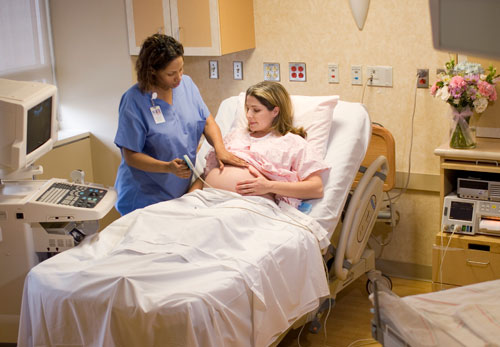
In Texas, a Catholic bishop made two hospitals cease doing tube-tying operations for women who are not going to have more babies. In Oregon, another bishop cast a medical center out of his diocese for refusing to discontinue the same procedure. In Arizona, a nun was excommunicated and the hospital where she works was expelled from the church after 116 years for allowing doctors to terminate a pregnancy to save a woman's life.
Such disputes between hospitals and church authorities appear to be arising because of a confluence of factors: Economic pressures are spurring greater consolidation in the hospital industry, prompting religiously affiliated institutions to take over or merge with secular ones, imposing church directives on them. At the same time, the drive to remain competitive has led some medical centers to evade the directives. Alongside those economic forces, changes in the church hierarchy have led increasingly conservative bishops to exert more influence over Catholic hospitals.
The clashes have focused attention on the limitations on care available at Catholic hospitals. In Montgomery County, concern about those constraints has emerged as an issue in the battle over whether Holy Cross Hospital, a Catholic institution in Silver Spring, or Adventist HealthCare in Rockville should be authorized to build a new hospital in the county. A coalition of advocacy groups Wednesday urged the state to reject Holy Cross, citing concerns about access to reproductive health care, especially for poor women and teenagers. A decision in that case is expected Thursday.
What about IVF?
The embryo technology that evangelicals don’t oppose

The news last week that Robert Edwards won the Nobel Prize in Physiology and Medicine for his work on the in vitro fertilization of human eggs may have seemed a little surprising to some observers: IVF has become so mainstream that we hardly see it as an innovative technology anymore.
It has also stayed largely out of the headlines, with little of the moral controversy that surrounds other reproductive issues, such as abortion and embryonic stem cell research. Since its introduction, IVF has been widely embraced across the religious and political spectrum. This is particularly notable in the evangelical movement, whose leaders have kept abortion and stem cells on the political front burner, but have staked out a variety of compromise positions that allow them to accept this scientific form of family-building.
Behind IVF and embryonic stem cell research, however, lie the same sort of technology, the kind Edwards and his late colleague Dr. Patrick Steptoe developed. Both depend on embryos created in a lab by fertilizing an egg extracted from a woman. And both practices generally result in the destruction of embryos--in the case of stem cells, for research; in the case of IVF, as a common side effect of creating more embryos than a woman ultimately chooses to implant.
Should evangelical Christians accept IVF so easily? No, says Jennifer Lahl. The director of the Center for Bioethics and Culture Network in San Francisco, Lahl has become a lone voice for a message that many of her fellow evangelicals are uncomfortable hearing: If embryos are human lives, she argues, then it is time for Christians to be consistent about their moral objections and unite against IVF.
For Lahl, the regular destruction or freezing of human embryos that occurs during the course of most IVF cycles amounts to ending human lives. And she suggests that the whole process is undermining human dignity. "The minute the egg comes out of body, it is graded, the sperm is graded, then the embryo is graded," she says. In addition to determining which sperm and which eggs are most likely to produce a viable embryo, doctors often use a procedure called pre-implantation genetic diagnosis to sort out which embryos may have defects. "I see the whole enterprise as being highly eugenic," says Lahl.
To make her case, Lahl travels the country, testifying in favor of legislation that would restrict IVF, or at least regulate it more heavily. She speaks to religious groups and secular ones. And now she has put a part of her message on film. This week, "Eggsploitation," a movie that Lahl produced to describe the medical dangers of egg donation, will be shown at Harvard Law School and Tufts University.
IVF Spawns Host of Ethical and Religious Issues
In vitro fertilization (IVF), the pioneering technique that won Robert Edwards the 2010 Nobel Prize for medicine, opened up a wealth of scientific options and a Pandora’s box of ethical dilemmas.
Edwards’s success in fertilizing a human egg outside of the womb led not only to "test tube babies" but also to innovations such as embryonic stem cell research and surrogate motherhood.
Amid the applause for these medical breakthroughs, ethicists from some Christian churches oppose IVF and techniques related to it because they involve the destruction of human embryos. The bewildering array of options due to the IVF revolution — from the morality of making "designer babies" to exploitation of poor women as surrogate mothers — has created much concern and many debates among secular ethicists as well.
The Roman Catholic Church ranks as probably the most vocal opponent of IVF and the once unimaginable options it has spawned. Its top official for life issues slammed the award to Edwards as "completely misplaced."
"Without Edwards there would be no market for human eggs; without Edwards there would not be freezers full of embryos waiting to be transferred to a uterus, or, more likely, used for research or left to die, abandoned and forgotten by all," said Ignazio Carrasco de Paula, President of the Pontifical Academy for Life, in what the Vatican described as personal statement. The director of a Catholic bioethics institute in Britain said IVF "has led directly to the deliberate destruction of millions of human embryos."
"It has made possible the manipulation of the human embryo on a scale never possible before," Professor David Albert Jones of the Anscombe Bioethics Center in Oxford told Reuters.
VARIED RELIGIOUS RESPONSES
Many evangelical Protestants and Orthodox Christians agree with Catholics that destroying embryos amounts to killing because human life, dignity and rights start at fertilization. "To argue that one human being is more developed and therefore in greater need in no way justifies the cannibalizing of another to benefit him," Richard Land, top ethics official for the Southern Baptist Convention (SBC), has said. The SBC is the largest Protestant church in the United States.
The Vatican restated its teaching on IVF and related techniques in 2009, saying that humans are persons from the moment of conception "and therefore from the same moment, his or her rights as a person must be recognized" and the first of these is "the inviolable right of every innocent being to life."
The Medical Revolution
Where are the cures promised by stem cells, gene therapy, and the human genome?

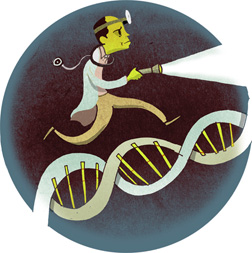
Dr. J. William Langston has been researching Parkinson's disease for 25 years. At one time, it seemed likely he'd have to find another disease to study, because a cure for Parkinson's looked imminent. In the late 1980s, the field of regenerative medicine seemed poised to make it possible for doctors to put healthy tissue in a damaged brain, reversing the destruction caused by the disease.
Langston was one of many optimists. In 1999, the then-head of the National Institute of Neurological Disorders and Stroke, Dr. Gerald Fischbach, testified before the Senate that with "skill and luck," Parkinson's could be cured in five to 10 years. Now Langston, who is 67, doesn't think he'll see a Parkinson's cure in his professional lifetime. He no longer uses "the C word" and acknowledges he and others were naive. He understands the anger of patients who, he says, "are getting quite bitter" that they remain ill, long past the time when they thought they would have been restored to health.
The disappointments are so acute in part because the promises have been so big. Over the past two decades, we've been told that a new age of molecular medicine—using gene therapy, stem cells, and the knowledge gleaned from unlocking the human genome—would bring us medical miracles. Just as antibiotics conquered infectious diseases and vaccines eliminated the scourges of polio and smallpox, the ability to manipulate our cells and genes is supposed to vanquish everything from terrible inherited disorders, such as Huntington's and cystic fibrosis, to widespread conditions like cancer, diabetes, and heart disease.
Adding to the frustration is an endless stream of laboratory animals that are always getting healed. Mice with Parkinson's have been successfully treated with stem cells, as have mice with sickle cell anemia. Dogs with hemophilia and muscular dystrophy have been made disease-free. But humans keep experiencing suffering and death. Why? What explains the tremendous mismatch between expectation and reality? Are the cures really coming, just more slowly than expected? Or have scientists fundamentally misled us, and themselves, about the potential of new medical technologies?
Bitter Pills
Islamist extremism at the bedside


LONDON—Afternoon dissolves into evening. I peer out of my office in the Royal London Hospital, spying the window that once framed the Elephant Man. A century later, a new and equally grotesque spectacle enthralls—in the street below, a well-fed British-Pakistani distributes cassettes. Transplanted Wahabi women, black-gloved, clad head-to-toe in black abbayas, faces masked by niqabs, snatch the recordings, nodding brief salaams. Other women, too busy, rush by in damp, rain-streaked chadors. I watch the figures until they disappear into the dank Whitechapel tube station. Muslim men stuff the cassettes into their grubby Adidas jackets, worn over thobes, the traditional Arab male dress. Only a sprinkling of stolid British police officers reminds me that, under the lapping October tides of Western European Islamofascism, this is still London.
The man thrusts his homemade compilations at passersby. A thobe ending above his ankles—its length identical to those worn by Saudi Arabia’s muttawah, or religious police—marks his fundamentalism. He mounts a makeshift podium atop a monument donated to Whitechapel by Jews who had thrived here 90 years earlier. What British Jews once dignified, British Muslims now desecrate. "Death to America! Death to Israel!" he shouts.
His working-class Geordie dialect is flawless. Leaning into the headwind, he intersperses his sedition with the plea known to every Muslim as the Takbir: Allah-hu-Akbar! God is Great. Anchored to his pulpit of hate by Nike high tops, his fat fists punch a canopy of defiance overhead. Constables eye him, unperturbed. They have heard his rant before. Uncertain clusters of British Muslims are ensnared in his devious orbit.
Fundamentalism in Scrubs
Abandoning the scene, I hurry. I am needed.
While reviewing X-rays, I test the resident. Faisal is a young anesthesiologist and a caring, gentle physician. He is dressed in operating room greens. To the informed eye, they reveal a cultivated Islamic identity: his scrub pants are a deliberate fraction too short, ending just above his surgical clogs, the still-damp hems testament to his recent ablutions. Faisal’s straggling beard is left untrimmed, and rimless Cartier glasses frame long-lashed eyes. I squeeze some rub from the dispenser, cleaning my hands en route to the bedside. I prompt him to do the same.
"No thank you, Dr. Ahmed. I will wash my hands," he declares, moving to the sink. Puzzled, I explain the recommendations on hand hygiene—alcohol hand rub is preferable to soap—for more effective infection control. Perhaps he is not aware of the new guidelines? A vacant stare meets mine. "Oh no, Dr. Ahmed, you don’t follow. I am Muslim." A flicker of superiority flashes across his flat gaze. I suddenly realize that Faisal has failed to recognize the Muslim in me. "It is haram for me to touch alcohol," he says. "I can’t use alcohol hand rub on my skin."
There will be no negotiation. What I have suggested, he is saying, is banned by shariah, Muslim holy law. I am agog. Faisal’s is a radical interpretation of Islam—one which I had not encountered, even among Saudi physicians who were active members of Riyadh’s clergy. How had Faisal acquired these beliefs?
When Kagan Played Doctor
Elena Kagan's partial-birth abortion scandal

Fourteen years ago, to protect President Clinton's position on partial-birth abortions, Elena Kagan doctored a statement by the American College of Obstetricians and Gynecologists. Conservatives think this should disqualify her from the Supreme Court. They understate the scandal. It isn't Kagan we should worry about. It's the whole judiciary.
Kagan, who was then an associate White House counsel, was doing her job: advancing the president's interests. The real culprit was ACOG, which adopted Kagan's spin without acknowledgment. But the larger problem is the credence subsequently given to ACOG's statement by courts, including the Supreme Court. Judges have put too much faith in statements from scientific organizations. This credulity must stop.
The Kagan story appeared Tuesday in National Review and CNSNews.com. You can read the underlying papers at the Media Research Center. There are three crucial documents. The first is a memo from Kagan on June 22, 1996, describing a meeting with ACOG's chief lobbyist and its former president. The main takeaway from the meeting, Kagan wrote, was that "there are an exceedingly small number of partial birth abortions that could meet the standard the President has articulated," i.e., abortions in which the partial-birth technique was necessary to protect a woman's life or health. She explained:
"In the vast majority of cases, selection of the partial birth procedure is not necessary to avert serious adverse consequences to a woman's health; another option—whether another abortion procedure or, in the post-viability context, birth through a caesarean section, induced labor, or carrying the pregnancy to term—is equally safe."
The second document is a draft ACOG statement on "intact D&X;" (aka partial-birth) abortions, faxed by ACOG to the White House on Dec. 5, 1996. The statement said that
"a select panel convened by ACOG could identify no circumstances under which this procedure, as defined above, would be the only option to save the life or preserve the health of the woman. Notwithstanding this conclusion, ACOG strongly believes that decisions about medical treatment must be made by the doctor, in consultation with the patient, based upon the woman's particular circumstances. The potential exists that legislation prohibiting specific medical practices, such as intact D & X, may outlaw techniques that are critical to the lives and health of American women."
Human Genome Project: 10 Years Later
Although effort draws a shrug from some, Mayo and U of M experts thrilled by 'genetic revolution' gains


First of two articles
Ten years ago, world leaders hailed the deciphering of the human genome as the kickoff for a revolution in the treatment of human diseases.
You can be forgiven if the anniversary slipped your notice. It's largely been marked with a shrug.
If you look for celebration, you can find it, though. Just visit genetics laboratories at the Mayo Clinic and the University of Minnesota. There, scientists still use the word "revolution" 10 years after that first sequence was released in rough draft form on June 26, 2000.
"This has totally revolutionized the way we think about genetic experiments," said Michael O'Connor, who heads the Department of Genetics, Cell Biology and Development at the University of Minnesota.
"We do things by genome sequencing now that we wouldn't have dreamed of 10 years ago," said professor Harry Orr, who specializes at the U of M in neurodegenerative diseases such as Parkinson's.
"Technology development has just skyrocketed," Orr said. "You know how the space program is credited for various aspects of computer development and electronics and so forth? We've seen a similar stimulus of genetic technology."
Buried in data
But the researchers also express humility. A daunting amount of information is packed into our tiny cells. It's one reason this revolution has yet to sweep through your local clinic.
The lag between the laboratory and the clinic illustrates the No. 1 lesson from a decade of research: Despite centuries of medical and biological advances, we knew shockingly little about our own bodies — about how they develop from a cell to a creature complex enough to invent a computer, grow a malignant tumor, hit a home run and love a child with heart-aching intensity.
Allegations about CIA Interrogations Raise Medical-Ethics Questions

Chilling new allegations came out this month in connection with the CIA's interrogations of suspected terrorists: the group Physicians for Human Rights reported evidence that medical professionals conducted illegal human research and experimentation on detainees in U.S. custody.
Now, the Minneapolis-based Center for Victims of Torture has joined human rights groups in filing a formal complaint against the CIA. The groups are calling for a federal investigation.
"Essentially there has been no investigation ordered by a president, there has been no public accounting of what happened, how it happened and why it happened," said Douglas Johnson, the Center's executive director. "There's been no public tracing through of the decisions — where they went wrong, why they went wrong and what we learned from this situation in order to make sure it doesn't happen again."
The new physicians' report indicates that medical experts working for the CIA "performed research on how to psychologically break prisoners and on how to use physically harmful forms of torture including waterboarding," Dr. Steven Miles, a Center board member, said in a statement.
Miles, author of the book "Oath Betrayed: America's Torture Doctors," was one of the first U.S. physicians to object publicly to the role that doctors, psychologists and medics played in the CIA interrogations. He also is a professor at the University of Minnesota's Center for Bioethics.
In response to this latest development, Miles said: "These health professionals violated laws and medical ethics pertaining to the use of prisoners as research subjects dating back to Nuremburg and ratified by every U.S. administration since then."
The CIA denied the allegations in an e-mail to MinnPost.
"The report's just wrong," said George Little of the CIA's Office of Public Affairs. "The CIA did not, as part of its past detention program, conduct human subject research on any detainee or group of detainees. The entire detention effort has been the subject of multiple, comprehensive reviews within our government, including by the Department of Justice."
Medical monitoring vs. illegal research
In the months following the 9/11 attacks, Bush administration lawyers at the Justice Department helped redefine interrogation practices such as waterboarding, sleep deprivation, enforced nudity, temperature extremes and prolonged isolation. They established legal thresholds for such "enhanced interrogation." And they enlisted medical monitors to ensure that detainees were not pushed over the newly defined thresholds of illegal torture.
That much had been widely reported. And it was a subject of intense controversy even before the International Committee of the Red Cross reported [PDF] in 2007 that the medical experts had participated in ill-treatment of 14 detainees by working to "serve the interrogation process, not their patients."
New 'Morning-After' Pill
Raises debate over similarity to abortion drug
A French drug company is seeking to offer American women something their European counterparts already have: a pill that works long after "the morning after."
The drug, dubbed ella, would be sold as a contraceptive -- one that could prevent pregnancy for as many as five days after unprotected sex. But the new drug is a close chemical relative of the abortion pill RU-486, raising the possibility that it could also induce abortion by making the womb inhospitable for an embryo.
The controversy sparked by that ambiguity promises to overshadow the work of a federal panel that will convene next week to consider endorsing the drug. The last time the Food and Drug Administration vetted an emergency contraceptive -- Plan B, the so-called morning-after pill -- the decision was mired in debate over such fundamental questions as when life begins and the distinction between preventing and terminating a pregnancy. Ella is raising many of those same politically charged questions -- but more sharply, testing the Obama administration's pledge to keep ideology from influencing scientific decisions.
Plan B, which works for up to 72 hours after sex, was eventually approved for sale without a prescription, although a doctor's order is required for girls younger than 17. The new drug promises to extend that period to at least 120 hours. Approved in Europe last year, ella is available as an emergency contraceptive in at least 22 countries.
Ella is being welcomed by many U.S. advocates for family planning and reproductive rights as a much-needed additional form of emergency contraception. Opponents of the drug, however, argue that the French company and the FDA would be misleading the public by labeling ella as an emergency contraceptive. Its chemical similarity to RU-486 makes it more like the controversial abortion pill, which can terminate a pregnancy at up to nine weeks, they say. RU-486 has soared in popularity since approval 10 years ago in the United States, raising the possibility that ella (ulipristal acetate) might become ubiquitous in American women's medicine cabinets.
"With ulipristal, women will be enticed to buy a poorly tested abortion drug, unaware of its medical risks, under the guise that it's a morning-after pill," said Wendy Wright of Concerned Women for America, which led the battle against Plan B.
What Happens when Medical, Religious Ethics Clash?
Catholic health care facilities account for roughly one in six U.S. hospital beds, but what happens if you end up in one and your health care wishes clash with Catholic ethics?

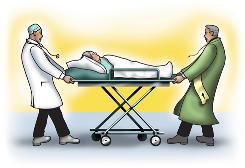
The case of an abortion at a Catholic hospital in Phoenix prompted an angry bishop to rebuke the Sister of Mercy who allowed the surgery to save the mother's life.
But you don't have to be a pregnant woman with a rare heart condition to be affected by the questions raised at St. Joseph's Hospital and Medical Center.
You don't even have to be Catholic.
If you are in a Catholic facility (where one-sixth of U.S. hospital beds are located), the Phoenix case could make you question who has final say in life-and-death decisions: You, or the local bishop?
What happens if your care choices, or your doctor's, clash with the ethical dictates Catholic hospitals must heed?
The Catholic bishops' Ethical and Religious Directives for Catholic Health Care Services spells out a vision of life and the morality of care from conception to "natural death."
Catholic teachings are clearly opposed to abortion and artificial contraception; bishops likewise fought laws in Oregon and Washington state that allow doctors to write life-ending prescriptions for dying patients.
In the Phoenix case, Bishop Thomas Olmsted said the abortion could never have been justified, even if the mother would have died without it.
But moral theologians and ethicists say the bishops' directives are far more nuanced than many people realize.
"It all comes down to how you define 'care' — the most basic expectation any patient brings to a hospital. And Catholic hospitals are known for very competent, very personal care," says Kevin O'Rourke, a priest and professor of bioethics at the Loyola Medical School in Chicago.
'Principle of double-effect'
In the Phoenix case, physicians concluded that only removing the placenta could save the woman dying from pulmonary hypertension.
Genetic Research:
What are the risks of terrorism or accidents?
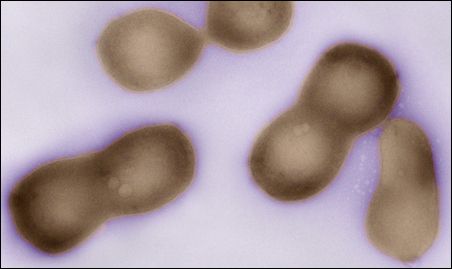
At high school graduation parties recently, other parents were eager to quiz Jeffrey Kahn about news of the first man-made genome — the first living, reproducing creature to be born not of a natural parent but rather of a computerized plan for assembling strings of DNA.
Could scientists construct bacteria that would clean up oil, asked a parent who obviously had in mind the disastrous BP spill. Others asked about tailoring creatures to manufacture life-saving drugs.
No one asked the question that bothers Kahn, the director of the University of Minnesota's Center for Bioethics: Could somebody forge the genome for, say, smallpox?
"No one went there," Kahn said.
We should go there. Most of the public concern over this latest product of genetic laboratories has focused on moral questions of whether scientists were usurping the prerogative of the gods by seeking to create life from scratch. That is an important focus.
But in an age when students can tinker with DNA in their basements — assembling and breaking down the building blocks of life as if they were so many Legos — we also need more serious conversations about the risks that could arise through malicious intent or innocent accident.
Ordering up the ingredients for life
The parents at those graduation parties were reacting to the latest breakthrough in the fast-moving field of synthetic biology: Researchers at the J. Craig Venter Institute synthesized a bacterial genome to create the first man-made cell that was capable of reproducing. (MinnPost's report is here.)
Venter Institute scientists said they used computers to design their creation and identify 1,078 specific "cassettes of DNA" they would need to build it. They then ordered the cassettes from DNA suppliers that routinely fill such orders around the world.
The suppliers draw from the four chemicals signifying DNA's alphabet — A, C, T and G — and use micro-plumbing to connect them in the desired sequences.
Researchers use such ordered-up sequences for a wealth of legitimate projects. In Minnesota, one group is engineering bacteria to function as microprocessors which could help detect cancer and other diseases. Other Minnesota researchers have transformed bacteria and yeast molecules into tiny factories that put out the ingredients for healing drugs, nutritional supplements and cheap biofuels.
Until recently, scientists who ordered such designer DNA "all were sitting in universities or large research labs where they were subject to stringent rules," Khan said.
But with the explosion in genetic research, even high school and college students were able to shop online and order the tools for tinkering with life.
Nun Excommunicated for Allowing Abortion
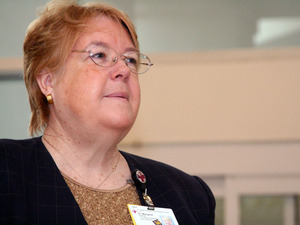
Last November, a 27-year-old woman was admitted to St. Joseph's Hospital and Medical Center in Phoenix. She was 11 weeks pregnant with her fifth child, and she was gravely ill. According to a hospital document, she had "right heart failure," and her doctors told her that if she continued with the pregnancy, her risk of mortality was "close to 100 percent."
The patient, who was too ill to be moved to the operating room much less another hospital, agreed to an abortion. But there was a complication: She was at a Catholic hospital. "They were in quite a dilemma," says Lisa Sowle Cahill, who teaches Catholic theology at Boston College. "There was no good way out of it. The official church position would mandate that the correct solution would be to let both the mother and the child die. I think in the practical situation that would be a very hard choice to make."
But the hospital felt it could proceed because of an exception — called Directive 47 in the U.S. Catholic Church's ethical guidelines for health care providers — that allows, in some circumstance, procedures that could kill the fetus to save the mother. Sister Margaret McBride, who was an administrator at the hospital as well as its liaison to the diocese, gave her approval.
The woman survived. When Bishop Thomas J. Olmsted heard about the abortion, he declared that McBride was automatically excommunicated — the most serious penalty the church can levy. "She consented in the murder of an unborn child," says the Rev. John Ehrich, the medical ethics director for the Diocese of Phoenix. "There are some situations where the mother may in fact die along with her child. But — and this is the Catholic perspective — you can't do evil to bring about good. The end does not justify the means."
Ehrich adds that under canon or church law, the nun should be expelled from her order, the Sisters of Mercy, unless the order can find an alternative penalty. Ehrich concedes that the circumstances of this case were "hard."
"But there are certain things that we don't really have a choice" about, he says. "You know, if it's been done and there's public scandal, the bishop has to take care of that, because he has to say, 'Look, this can't happen.' "
A Double Standard?
But according to the Rev. Thomas Doyle, a canon lawyer, the bishop "clearly had other alternatives than to declare her excommunicated." Doyle says Olmsted could have looked at the situation, realized that the nun faced an agonizing choice and shown her some mercy. He adds that this case highlights a "gross inequity" in how the church chooses to handle scandal.
listen now or download All Things Considered
- listen… []
New Health-Care Law Raises Concerns about Respecting Consciences
Deep within the massive health-care overhaul legislation, a few little-noticed provisions have quietly reignited one of the bitterest debates in medicine: how to balance the right of doctors, nurses and other workers to refuse to provide services on moral or religious grounds with the right of patients to get care.
Advocates for protecting health workers argue the new law leaves vulnerable those with qualms about abortion, morning-after pills, stem cell research and therapies, assisted suicide and a host of other services. Proponents of patients' rights, meanwhile, contend that, if anything, the legislation favors those who oppose some end-of-life therapies and the termination of pregnancies and creates new obstacles for dying patients and women seeking abortions.
Both sides acknowledge that the scope of any new conflicts that might arise under the legislation will become clear only as the implications of the overhaul unfold. But both agree that clashes are probably inevitable.
"It's sort of the son of the 'death panels,' " said Loren Lomasky, a University of Virginia professor of philosophy who studies conflicts of conscience in health care, referring to last summer's controversy about end-of-life counseling. "This is a major transformation of the health-care system. And when this sort of thing happens, fissures can open up and you can fall into them if you're not careful."
The debate has focused attention on President Obama's plan to rescind a federal regulation put into effect by the previous administration to protect workers who refuse to provide care they find objectionable. Soon after taking office, Obama announced he would lift the rule, arguing it could create obstacles to abortion and other reproductive health services. But a final decision about whether to kill, keep or replace the rule with a compromise has been pending as the debate over the health law raged. The outcome is being closely watched as a bellwether of how the administration will handle a possible thicket of conflicts under the health legislation.
Nuns, Nancy Pelosi are Rock Stars to Progressive Catholics

Sister Carol Keehan, lauded Speaker of the House Nancy Pelosi as one of the heroes of the passage of health care reform, drew a rousing welcome today at a conference of social justice Catholics.
Yesterday, Pelosi with a standing ovation and shouts of gratitude from the nuns, priest, academics and activists gathered for a "Washington Briefing" on faith and public policy. Now they added sports event-worthy cheers for the sister who spoke out for the controversial legislation.
Keehan, president and CEO of Catholic Health Association and one of Time magazine's Top 100 most influential people this year, rolled her eyes when she was introduced by a long list of honors awarded by the Church and joked that she may have seen the last of those. That's because angry bishops say the legislation does not adequately block federal funding for abortion.
Keehan walked through years of working for the bill, recalling how even three years back she warned others any serious proposal would be "Swift-boated" with misinformation. In the end, she said, it was not a perfect bill but it was "a superb first step," because, "the poor and the working Americans won and they so rarely win. It's wonderful."
She reiterated every step she, and the sisters who joined CHA in providing critical support to the bill, followed to be certain there were no loopholes and no way to circumvent the intention to protect the unborn and prevent abortion.
They worked equally hard, she said on ethical issues such as treatment for immigrants, conscience protections for health workers, care for vulnerable pregnant women, adoption support for foster parents and increased care options for the elderly.
Group to Censure Physicians Who Play Role in Lethal Injections
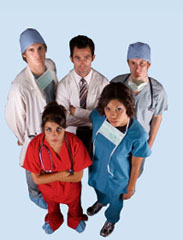
A national physicians organization has quietly decided to revoke the certification of any member who participates in executing a prisoner by lethal injection.
The mandate from the American Board of Anesthesiologists reflects its leaders' belief that "we are healers, not executioners," board secretary Mark A. Rockoff said. Although the American Medical Association has long opposed doctor involvement, the anesthesiologists' group is the first to say it will harshly penalize a health-care worker for abetting lethal injections. The loss of certification would prevent an anesthesiologist from working in most hospitals.
About half of the 35 states performing executions, including Virginia and North Carolina, require a doctor to be present. Other states have also recruited doctors, including anesthesiologists, to play a role in executions involving lethal injections. In some jurisdictions, anesthesiologists consult prison officials on dosages. In others, they insert catheters and infuse the three-drug cocktails.
While death penalty opponents welcome the move because it raises yet more questions about lethal injections, capital punishment supporters contend that doctors are not needed during the procedures, which can be administered by prison employees. But as questions mount about the types and combinations of drugs used and whether they cause undue suffering, states have been turning to doctors for advice and assistance. With 3,200 prisoners now on death rows across the country, most of the 50 executions performed each year since 2008 have used lethal injections.
"If I were lying there on the gurney and someone was administering a paralyzing drug . . .I would want someone there who knew what they were doing," said Ty Alper, associate director of the Death Penalty Clinic at the University of California at Berkeley's School of Law. "Just like if I was getting surgery -- I wouldn't want a prison guard administering the anesthesia."
Loss of certification
Under the policy, which the group's 40,000 members learned about in February, any of these activities could lead to a loss of certification. Anesthesiologists can get state medical licenses without certification, but most hospitals require it.
Blasted by Left and Right, Stupak Appears Safe Back Home
Health Care in America


CNN) -- Inside the Washington beltway, Rep. Bart Stupak is taking heat from the left and right.
Three days after a major anti-abortion group took back its "Defender of Life" award from the Michigan Democrat over his support for the health care bill, the nation's leading abortion rights groups announced Wednesday that it is backing Stupak's primary election challenger because Stupak helped delay the legislation for months.
Abortion rights groups blame Stupak for holding up the health care bill, which President Obama signed Tuesday, over objections to its abortion provisions. Abortion foes said Stupak betrayed them by ultimately signing on to the bill.
But for all the criticism Stupak is getting from both sides of the abortion divide, neither his Democratic nor Republican challengers stand much chance of unseating him in Michigan, political experts said.
"He has an impeccable reputation with most Democrats in his district and is considered an institution in Michigan's Upper Peninsula," which encompasses much of Michigan's 1st district, said David Wasserman, House editor of the Cook Political Report.
The attacks from Washington, Wasserman said, "play into Stupak's argument that the guns aimed at defeating him are from outside the district."
NARAL Pro-Choice America and the Planned Parenthood Action Fund said Wednesday that they're endorsing Democratic candidate Connie Saltonstall against Stupak in Michigan's August primary. "For years, [Stupak] has attacked women's freedom and privacy and, for the last several months, seized the national spotlight as he held health care reform hostage to his anti-choice political views," said Nancy Keenan, president of NARAL Pro-Choice America. "The clock is ticking on Mr. Stupak's 15 minutes of fame."
Catholic Hospitals, Bishops Split on Health Care Bill
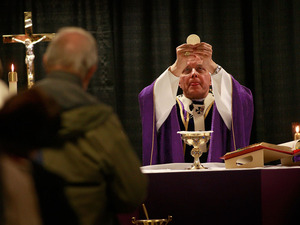
Few people shape the minds of Catholic bishops on abortion more than Richard Doerflinger, their point man on anti-abortion issues. He's studied the House and Senate bills, and he's fine with the House bill. But he says the Senate version presents loopholes that could allow for federally funded abortions.
"This would be an enormous expansion of abortion funding that has not been seen in this country for 37 years," since abortions became legal after Roe v. Wade, he says. In the past, the bishops have supported universal health care. But taking Doerflinger's lead, the U.S. Conference of Catholics Bishops is urging lawmakers not to vote for this year's bill.
Point Of Departure
Usually Catholic hospitals march in lock step with the bishops on abortion issues — but not this time. Sister Carol Keehan of the Catholic Health Association, which represents Catholic hospitals, is lobbying lawmakers to vote for the bill.
"I believe this bill is a good first step," she says, adding that the legislation would provide health care to more than 30 million poor people and ease costs for everyone else. As for abortion, she says her group did its own legal analysis, studied the analyses of other groups, talked to experts and found no loopholes. If there were any concerns, Keehan says, the administration put those to rest.
"We have the president, we have the speaker of the House, we have the leader of the Senate, and we have the secretary of HHS [Department of Health and Human Services] saying publicly, there will be no federal funding for abortion," she says.
Bishops' Spokesman Unconvinced
But Doerflinger says that as much as the administration promises to prohibit such abortions, "they don't have the authority to do it."
Doerflinger points to the community health centers, which are run by Health and Human Services and provide health care to millions of low-income Americans. He says the administration may not intend federal money to go for abortions at these centers, but he says there is no language stopping it. In the past, federal courts have ruled that unless Congress explicitly prohibits it, federal money can be used to pay for abortions.
"That overrides the president, that overrides HHS, that overrides the wishes of the community health centers themselves," he says. "You have to have Congress say it, or there is a mandate in the legislation, bred into it by the courts that this includes abortion." The issue has sparked a rare war between the bishops and other Catholic institutions. Now a group representing nearly 60,000 Catholic nuns is urging Congress to pass the bill — arguing that the bishops were making "false claims" about abortion.
- listen… []
Black Death
The selective crusade against black women's abortions

"BLACK CHILDREN ARE AN ENDANGERED SPECIES," the billboards proclaim. Posted in dozens of locations in Atlanta's black neighborhoods, they direct readers to toomanyborted.com, a Web site that denounces abortion as a racist conspiracy. Through them, the pro-life movement is sending a message that it cares about the lives of black people. But does it?
The Web site plays every race card in the deck. It says "abortion is the tool [racists] use to stealthily target blacks for extermination." It calls on readers to "expose the insidiousness of the pro-abortion agenda and its real target: the black community." It touts the support of "Dr. King," a niece of Martin Luther King Jr. "I know for sure that the black community is being targeted by abortionists for the purpose of ethnic cleansing," she asserts.
What's the basis for these charges? The campaign points to eugenic ideas and influences in the early birth-control movement. But its chief evidence is abortion rates. "Abortions in the black community occur at 3x the rate of those among the white population and 2x that of all other races combined," the site points out. "The truth screams loud and clear—we are killing our very future."
The numbers are provocative. But there's something odd about the billboards. The child who appears beside the text is fully born. Abortion doesn't kill such children. What kills them, all too often, is shooting. If you wanted to save living, breathing, fully born children from a tool of extermination that is literally targeting blacks, the first problem you would focus on is guns. They are killing the present, not just the future. But the sponsors of the "endangered species" ads don't support gun control. They oppose it.
Two months ago, the Violence Policy Center issued an analysis of black homicide rates based on the latest FBI data. The national U.S. homicide rate is 5.3 per 100,000 people. Among whites, it's 3.1 per 100,000. Among blacks, it's 20.9 per 100,000. That's four times the national rate and seven times the white rate. In 82 percent of black-victim homicides in which the fatal weapon can be identified, it's a gun. And 73 percent of those gun deaths are inflicted by handguns.
Lessons from the IDF in Haiti
Opportunities in global health diplomacy for the Muslim World


The Talmud describes Jews as rachmanim b'nei rachmanim: a compassionate people who are sensitive to human suffering. They are unable to sit by and ignore the terrible drama of human misery. Instead, they get up and do something about it.
As the world learned the news about Haiti one Tuesday in January, the Israeli Defense Forces were already planning their response. By Friday they had already pitched camp in Haiti. I watched a handsome IDF officer explain the facilities that had been erected within 8 hours of landing after a 16-hour flight across the world. He described the distinct tents serving critically ill obstetric, neonatal and adult patients as well as the surgical operating theaters they had erected in so short a time. Having practiced critical care medicine for a decade myself, I could imagine clearly the amount of planning and infrastructure required. Somehow these structures had gone up overnight.
The IDF had sent an initial team of 220 soldiers and among them 120 medical personnel. They were already operating, treating, delivering care for the earthquake survivors as network cameras rolled. Their initial mission included 40 doctors, 20 paramedics and 24 nurses, as well as medics and medical technicians, all of whom report to IDF chief medical officer Brigadier General Nachman Ash. Over a third of the manpower was specifically called up out of reserve to serve this humanitarian mission.
Humbled, I wondered why we were not watching a Muslim officer also from the Middle East showing similar services flown in perhaps from somewhere in the Arab world? Why were elements from the Muslim world not evident in such emphatic force and at such speed. Imagine semi permanent hospitals flying the Saudi Arabian National Guard Insignia just as these IDF facilities bore their insignias.
Could Abortion Sink Health Care Reform?

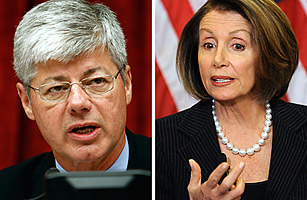
Leading up to Thursday's health care summit, there has been plenty of chatter about everything from consideration of an excise tax on so-called Cadillac insurance plans to whether President Obama will sit at the table with congressional leaders or speak from a podium. But Democrats and Republicans alike have uttered hardly a word about an issue that could sink the health reform effort unless it is resolved: abortion.
The silence is surprising given that disagreements about abortion coverage almost scuttled health reform in the House last fall. House Speaker Nancy Pelosi wasn't able to gather sufficient votes to pass the health reform bill until after she struck a deal with pro-life Democrat Bart Stupak to allow a vote on his amendment that would prohibit plans that cover abortion in an insurance exchange from receiving federal subsidies. The House voted to approve the amendment's tough language, which became part of the final bill. Even so, heading into the health summit, no one — from the White House on down — knows whether abortion will still be an obstacle to passing a reform bill. (See the top 10 players in health care reform.)
The proposal Obama released on Monday does not address the question of abortion coverage. Both pro-life and pro-choice politicians are interpreting that absence to mean that the White House supports using the abortion provision authored by Nebraska Senator Ben Nelson, which became part of the Senate version of health reform. The Nelson language, less restrictive than Stupak's, would allow a woman receiving federal subsidies to purchase insurance from a plan that covers abortions, but those subsidies must be segregated and not used to pay for abortion procedures.
The U.S. Conference on Catholic Bishops has made clear that it considers the Nelson language "deficient," and Stupak released a statement on Tuesday declaring that anything short of his abortion restriction would be "unacceptable." Shortly after the House bill passed in November, Stupak vowed that 40 Democrats would stand with him to vote against final passage of health reform if his strict language was not included. (See TIME's health and medicine covers.)
Penn Study: Abstinence-Only Programs Might Work
Sex education classes that focus on encouraging children to remain abstinent can persuade a significant proportion to delay sexual activity, researchers reported Monday in a landmark study that could have major implications for U.S. efforts to protect young people against unwanted pregnancies and sexually transmitted diseases.
Only about a third of sixth- and seventh-graders who completed an abstinence-focused program started having sex within the next two years, researchers found. Nearly half of the students who attended other classes, including ones that combined information about abstinence and contraception, became sexually active.
The findings are the first clear evidence that an abstinence program could work.
"I think we've written off abstinence-only education without looking closely at the nature of the evidence," said John B. Jemmott III, a professor at the University of Pennsylvania who led the federally funded study. "Our study shows this could be one approach that could be used."
The research, published in the Archives of Pediatric & Adolescent Medicine, comes amid intense debate over how to reduce sexual activity, pregnancies, births and sexually transmitted diseases among children and teenagers. After falling for more than a decade, the numbers of births, pregnancies and STDs among U.S. teens have begun increasing.
Brains, Mind, Morality
Do we have any obligation to keep alive people whose brains no longer work properly?


The easiest way to change a mind forever is to destroy bits of the brain. It's not very precise, but it is remarkably effective. This has been known ever since Phineas Gage, an enthusiastic railway worker, detonated the charge of dynamite he was tamping into a hole, so that the spike he was tamping it with flew out, smashed his cheekbone and burst through his brain and out the top of his skull. He lived for years after that but he had lost almost all his inhibitions. They had somehow been contained in the part of his brain that was destroyed.
This story is known to everyone interested in the relationship between mind and brain. But there is one strange and horrifying pendant which I only learned last week, at a seminar in Cambridge. Brain injuries of a certain sort can disinhibit adults. In children they can permanently prevent the formation of inhibitions at all. Such things are fortunately very rare. But they are recorded, especially at the university of Iowa, which collects patients from all over the state and thus as an unmatched, unenviable knowledge of ghastly childhood brain injuries, whether from cancers, epilepsies or simple accidents.
The classic paper on this is more than ten years old: in 1999 Antonio Damasio and colleagues at the University of Iowa published a study of two young adults who simply did not live in the same moral universe as the rest of us. One of them was a girl who had been run over as a toddler. She appeared to make a quick and full recovery. But as an adolescent, she became more or less psychopathic. Although intelligent and academically capable, she stole, she fought, she lied chronically; at 18 she had a child whom she neglected. Most tellingly of all, she could not see anything wrong with her behaviour, nor even pretend that she did.
Is Dying a Criminal Act?
What if you choose the day?

Montana has followed Oregon and Washington State as the third state to legalize "physician-assisted dying."
Or should I use, as the Christian Science Monitor does in covering the Montana story, the term favored by opponents of these laws -- "suicide" ?
The terminology is loaded, as one might expect when the topic is life and death and who decides when one is over.
In Brad Knickerbocker's story this weekend, he quotes the Montana State Supreme Court, which uses the phrasing preferred by supporters of this policy.
The majority justices wrote that they... :
"... find nothing in the plain language of Montana statutes indicating that physician aid in dying is against public policy. In physician aid in dying, the patient -- not the physician -- commits the final death-causing act by self-administering a lethal dose of medicine."
Opponents, calling it "suicide," pledged to head straight for the legislature to get new laws specifically prohibiting the practice.
Meanwhile the Monitor sticks with "suicide" to describe the act of choosing when to die if you are a mentally competent adult suffering with a terminal illness.
What's your call on this? Would you want this choice, however you called it, for yourself or a loved one?
Francis Collins Confronts Ethics of Embryo Research

Much ado was made when evangelical Christian and leading geneticist Francis Collins was named by President Obama to head the National Institutes of Health.
Now, he's out front defending the news that the first embryonic stem cell lines have been approved for research with federal funding since restrictions under the Bush administration were lifted. The action dismays Catholics and conservative evangelicals who oppose all research on embryonic stem cells as destruction of human life.
Most articles indicate Collins calls this morally defensible -- without giving his moral argument. But here's where you can find it. Back last summer when he was first appointed, Her.meneutics, the women's blog at Christianity Today, did a fine round up of every public quote they could find from Collins on embryonic stem cells.
For example, In a 2007 interview with Ben Wattenberg of Think Tank, a PBS discussion show, Collins said,
"There are hundreds of thousands of those embryos currently frozen away in in vitro fertilization clinics. And it is absolutely unrealistic to imagine that anything will happen to those other than they're eventually getting discarded. So as much as I think human embryos deserve moral status, it is hard to see why it's more ethical to throw them away than to take some that are destined for discarding and do something that might help somebody."
Culture of Death
The right-wing assault on abortion reduction
A new fault line has opened in the abortion debate. The fight is no longer between pro-lifers and pro-choicers. It's between militants and pragmatists.
While some extremists have been raising hell and shooting doctors, pragmatists have been hashing out common-ground legislation. Their latest bill, introduced Thursday, is the Preventing Unintended Pregnancies, Reducing the Need for Abortion, and Supporting Parents Act. If that sounds like a jumble of ideas from both sides, it's because lots of bargaining went into it. Among other things, pro-choicers got money for contraception and sex education. Pro-lifers got abstinence-friendly curriculum, a bigger adoption tax credit, and financial support for women who continue their pregnancies.
The two sides talked, listened, and compromised. Pro-lifers couldn't stand postcoital birth-control pills, fearing they might kill early embryos. The fear was unwarranted, but pro-choicers agreed to leave the pills out. Pro-choicers couldn't stand even the vaguest legislative description of what doctors should tell patients. That anxiety, too, was unnecessary, but pro-lifers agreed to drop the language. Pro-choicers hated abstinence-only education but agreed to fund "evidence-based programs that encourage teens to delay sexual activity." Pro-lifers wanted women to see prenatal ultrasound images but settled for money to make the machines more widely available.
Each side faced the other's truths. Joel Hunter, an evangelical minister and former president-elect of the Christian Coalition, endorsed the bill's provision of "better access to contraception." So did two other pro-life theologians. Frances Kissling, who served for 25 years as president of Catholics for Choice, embraced pregnancy-prevention efforts that "meet women's own goal of avoiding abortion where possible." Rep. Rosa DeLauro, D-Conn., the bill's principal pro-choice sponsor, said at a Thursday press conference that "we all want to
Researchers May Have Found Equivalent of Embryonic Stem Cells
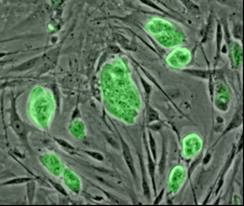
Chinese scientists have bred mice from cells that might offer an alternative to human embryonic stem cells, producing the most definitive evidence yet that the technique could help sidestep many of the explosive ethical issues engulfing the controversial field but raising alarm that the advance could lead to human cloning and designer babies.
In papers published online Thursday by two scientific journals, separate teams of researchers from Beijing and Shanghai reported that they had for the first time created virtual genetic duplicates of mice using skin cells from adult animals that had been coaxed into the equivalent of embryonic stem cells.
The findings were welcomed by supporters and opponents of human embryonic stem cell research as a long-sought vital step in proving that the cells could be as useful as embryonic cells for studying and curing many illnesses.
The results come just as the Obama administration has eased federal restrictions on government funding for embryonic stem cell research, and they could influence how to prioritize millions of dollars in new spending in the field.
But because of concerns that the techniques might make cloning and genetic engineering of embryos easier, the work could reignite calls for a ban on attempts to clone people and for restrictions on genetic manipulation of embryos. "The implications of this are both enormously important and troublesome," said Robert Lanza, a stem cell researcher at Advanced Cell Technology in Worcester, Mass. "It revives many of the issues raised by reproductive cloning."
Many scientists believe human embryonic stem cell research could revolutionize medicine by enabling doctors to use genetically matched tissue to treat many diseases. But the field has been mired in controversy because embryos are destroyed to obtain the cells.
Mortal Skin
Race, genes, and cancer

Black people, on average, are more likely to die of cancer than white people. Is part of that difference genetic? The Journal of the National Cancer Institute just published a big study on this question. If you haven't heard about the study, maybe that's because you get your news from television, National Public Radio, the Associated Press, or the New York Times, which have ignored it. Why would they ignore it? Because the study suggests the answer is yes. It's OK to report that racial differences in cancer outcomes are caused by poverty and discrimination. It's not OK to report that they're inherited.
The study, which tracked nearly 20,000 patients in a series of clinical trials, painstakingly accounted for environmental factors. It concluded that "African American patients with breast, prostate, or ovarian cancer. . . had statistically significantly worse overall survival than white patients," even though "all patients had uniform therapy and follow-up parameters, with adjustment for stage, socioeconomic factors, and known prognostic variables."
The authors reported "an increase in mortality … among African American women with ovarian cancer in our population who were treated uniformly on phase III clinical trials after adjustment for all available factors." A similar "disparity in survival was even observed in equal access care systems, such as Kaiser Permanente." Consistent with previous studies, "the disparity in prostate cancer survival persisted despite adjusting for income and education." In fact, in one previous study, "African American race was the only independent predictor of time to prostate-specific antigen progression, indicating that biological and genetic differences underlie this disparity."
In a search of Nexis, I can find only two American reporters who covered the study: Deborah Shelton of the Chicago Tribune and Rob Stein of the Washington Post. Stein reports: "Because all the cancers for which the disparity persisted were related to gender, the findings suggest that the survival gap may be the result of a complex interaction of differences in the biology of the tumors and inherited variations in genes that control metabolism of drugs and hormones, [Kathy Albain, the study's lead author] said. … 'This is almost certainly related to a mix of factors across races pertaining to tumor biology and inherited factors,' Albain said. … 'What we are saying is that there is something that 'tracks' with African ancestry only in these three diseases.'"
In both articles, critics reject the study's findings or belittle them as a distraction from the real causes of racial differences in cancer outcomes. Steve Whitman, director of Chicago's Sinai Urban Health Institute, tells Shelton that the study failed to account for "residual social variables." He dismisses it as a rehash of the old notion that "the problem is not with society, not with social issues, it's not with racism, but with the biology that lies within black people." Otis Brawley, the American Cancer Society's chief medical officer, tells Stein, "When I hear scientists talking about racial differences, I worry that it starts to harken back to arguments about genetic inferiority." He insists that the gaps in cancer outcomes "are not due to inherent genetics. They are due to the effects of environmental factors like diet and exercise and obesity on biology."
Blacks With Equal Care Still More Likely to Die of Some Cancers
African Americans are less likely than whites to survive breast, prostate and ovarian cancer even when they receive equal treatment, according to a large study that offers provocative evidence that biological factors play a role in at least some racial disparities.
The first-of-its-kind study, involving nearly 20,000 cancer patients nationwide, found that the gap in survival between blacks and whites disappeared for lung, colon and several other cancers when they received identical care as part of federally funded clinical trials. But disparities persisted for prostate, breast and ovarian cancer, suggesting that other factors must be playing a role in the tendency of blacks to fare more poorly.
For decades, studies have shown that poor people and minorities are more likely to live shorter, sicker lives, and are less likely to survive a host of illnesses, including many cancers. Studies have indicated that the disparities were largely the result of poor people and minorities getting inferior care; they are less likely to have health insurance and receive routine preventive care, they frequently get diagnosed later, and they often undergo less aggressive treatment once they are diagnosed. The new study is another chance to weigh biology against disparities in the quality of care.
"There is good news and puzzling news in our results," said Kathy S. Albain of Loyola University, whose findings were published online today by the Journal of the National Cancer Institute. "When there's a level playing field with the same quality of care, African Americans survive just as well as other races from some of our most common cancers, which is reassuring news and points us nationally toward a need to make sure there is quality of care and equal access to all," Albain said. "But for prostate, ovarian and breast [cancer], it's not access to care. There's something else. And we need to sort that out."
Other researchers said the findings were groundbreaking. "I believe this is a landmark analysis," said Lisa A. Newman of the University of Michigan. "There seems to be something associated with racial and ethnic identity that seems to confer a worse survival rate for African Americans. I think it's likely to be hereditary and genetic factors."
A growing body of evidence has suggested that biological factors may be playing a role in health disparities. Genetic variations, for example, appear to make some therapies more effective or less toxic for some people than others. That idea, however, has been controversial and has raised concern that it could distract from the major cause of disparities, such as poverty, prejudice and geographic variation in quality of care.
Tiller's Killer
Is it wrong to murder an abortionist?
If abortion is murder, the most efficient thing you could have done to prevent such murders this month was to kill George Tiller.
Tiller was the country's bravest or most ruthless abortion provider, depending on how you saw him. The pregnancies he ended were the latest of the late. If your local clinic said you were too far along, and they sent you to a late-term provider who said you were too late even for her, Tiller was your last shot. If Tiller said no, you were going to have a baby, or a dying baby, or a stillbirth, or whatever nature and circumstance had in store for you.
To me, Tiller was brave. His work makes me want to puke. But so does combat, the kind where guts are spilled and people choke on their own blood. I like to think I love my country and would fight for it. But I doubt I have the stomach to pull the trigger, much less put my life on the line.
Several years ago, I went to a conference of abortionists. Some of the late-term providers were there. A row of tables displayed forceps for sale. They started small and got bigger and bigger. Walking along the row, you could ask yourself: Would I use these forceps? How about those? Where would I stop?
The people who do late-term abortions are the ones who don't flinch. They're like the veterans you sometimes see in war documentaries, quietly recounting what they faced and did. You think you're pro-choice. You think marching or phone-banking makes you an activist. You know nothing. There's you, and then there are the people who work in the clinics. And then there are the people who use the forceps. And then there are the people who use the forceps nobody else will use. At the end of the line, there's George Tiller.
Now he's gone. Who will pick up his forceps?
Tiller's murder is different from all previous murders of abortion providers. If you kill an ordinary abortionist, somebody else will step in. But if you kill the guy at the end of the line, some of his patients won't be able to find an alternative. You will have directly prevented abortions.
Glowing Green Monkeys Illustrate Important but Controversial Advance
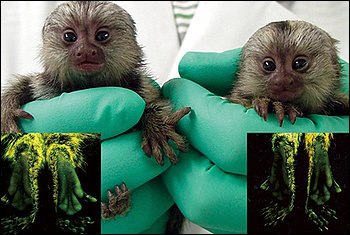
Scientists have created the first genetically modified monkeys that can pass their new genetic attributes to their offspring, an advance designed to give researchers new tools for studying human disease but one that raises many thorny ethical questions.
In this case, Japanese researchers added genes that caused the animals to glow green under an ultraviolet light -- and beget offspring with the same spooky trait -- to test a technique they hope to use to produce animals with Parkinson's, Huntington's and other diseases.
The work, described in today's issue of the journal Nature, was hailed by some medical researchers as a long-sought milestone that could lead to crucial insights into many ailments and provide invaluable ways to test new treatments.
But because the work marks the first time members of a species so closely related to humans have had their genetic makeup permanently altered, the research set off alarms that it marked a troubling step toward applying such techniques to people, which would violate a long-standing taboo.
"It would be easy enough for someone to make the leap to trying this on humans," said Lori B. Andrews, who studies reproductive technologies at the Illinois Institute of Technology's Chicago-Kent College of Law. "If you make this kind of change, it's passed on to all future generations. Many people think it's hubris to have people remaking people in this way."
The approach could tempt some to use the technique to try to engineer desirable traits in people, creating a society of genetic haves and have-nots, Andrews said. Others worried that the work could have additional disturbing implications, such as potentially blurring the line between species.
Dying In A Brain Scanner, Sort Of
Excerpted From 'Fingerprints Of God'
The Holy Grail for near-death researchers is a physical marker, like a stamp in a passport that testifies that Mrs. Brown crossed into sacred territory and returned. In thirty years of focused research, scientists have never located such a marker. Perhaps a marker exists, perhaps it doesn't — but until recently, scientists lacked both the technology and the funding to even try.
Neurologist Peter Fenwick believes those markers do lie somewhere in the folds of the brain or the rhythm of its electrical current. Any major neurological event registers in the brain and then manifests itself in behavior. The brain images of people with post-traumatic stress disorder, for example, show cerebral changes.
"So it's likely that people who have a transcendent experience will also have changes in their brain as well," Fenwick speculated. "This is shown really because they then have changes in behavior. With post-traumatic stress, it's increased anxiety. In near-death experiences, it tends to be more social awareness, more spirituality, and so on. So these will in fact be accompanied by some cerebral markers. I'm sure we'll find them when we start looking for them."
Which brings us to the University of Montreal, where the hunt for a spiritual marker is in full cry.
Jorge Medina winced slightly as I shook his hand in the entryway of the University of Montreal Medical Center. We exchanged halting hellos — Jorge in his shy, stuttered English, his third language, after Spanish and French. I searched his face for some signature of trauma, and found wide brown eyes, a hearty black mustache, a face smooth and coppery and completely unmarred.
I unclasped Jorge's hand, and let my gaze fall to his forearm. There lay a tapestry of mottled brown-and-white skin, as shiny and inflexible as vinyl. His arm was a partial road map of his journey through the flames. Fire had left ninety percent of Jorge's body with third-degree burns, mercifully leaving his face unscathed.
Obama's Order on Stem Cells Leaves Key Questions to NIH
President Obama's open-ended order lifting limits on federal funding for stem cell research raises the prospect that taxpayer money could be used for a much broader, much more controversial array of studies than many scientists, officials and activists anticipated.
Although the decision to allow expanded funding had been long expected, many thought Obama would limit federally funded scientists to working with cell lines derived from embryos destined to be discarded at infertility clinics. Instead, he left that key issue open.
The task of deciding what kinds of studies will be supported now falls to the National Institutes of Health, which finds itself confronting far more extensive questions than its officials were contemplating. It has 120 days to do the job.
Among other things, officials will have to decide whether to endorse studies on cells obtained from much more contentious sources, such as embryos created specifically for research or by means of cloning techniques.
"He left it wide open," said Thomas H. Murray, director of the Hastings Center, a bioethics think tank. "Now we are going to have to face a host of morally complicated, politically charged questions. There's not an easy path forward for them out of here."
Richard Doerflinger of the U.S. Conference of Catholic Bishops, a leading opponent of embryonic stem cell research, said, "If they go
Winning Smugly
You just won the stem-cell war. Don't lose your soul.
On Monday, President Obama lifted the ban on federal funding of stem-cell research using destroyed human embryos. If you support this research, congratulations: You won. Now for your next challenge: Don't lose your soul.
Obama announces the end of the ban on stem-cell research
The best way to understand this peril is to look at an issue that has become the mirror image of the stem-cell fight. That issue is torture. On Jan. 22, Obama signed an executive order prohibiting interrogation methods used by the Bush administration to extract information from accused terrorists. "We can abide by a rule that says we don't torture, but that we can still effectively obtain the intelligence that we need," the president declared. "We are willing to observe core standards of conduct not just when it's easy, but also when it's hard."
The next day, former Bush aide Karl Rove accused Obama of endangering the country by impeding interrogations of the enemy. "They don't recognize we're in a war," said Rove. "In a war, you do not take tools that are working and stop using them and say we'll get back to you in four months,
Rescinding Provider Conscience Regulation
This is TALK OF THE NATION. I'm Neal Conan in Washington. Last week, the Obama administration announced plans to rescind protections for health care workers who refused to provide services they find objectionable. The heart of the issue centers around abortion, and like almost everything that involves abortion, it is highly divisive.
What's known as the Provider Conscience Regulation came into effect just last December and prohibits recipients of federal money from discrimination against health care workers who refuse to provide care or fill contraceptive prescriptions because of religious beliefs or moral convictions. We want to hear from those of you who work in the health care businesses: pharmacists, OB-GYNs, emergency room physicians, medical students. What changed when the regulation took effect three months ago?
What would change if the regulation is rescinded now?
Mr. ROB STEIN (Reporter, The Washington Post): Hi, Neal. Nice to be here.
CONAN: And Rob joins us from the studios at the Washington Post here in Washington, DC. And we mentioned just a moment ago, a 30-day period for comment before a proposed regulation goes into effect. Presumably, the Obama administration's regulation is under the same circumstances. So they're in the process of gathering comment at this point?
Mr. STEIN: Exactly. The new rule to rescind the old rule would be officially published in the Federal Register sometime later this week, and whenever that happens, that'll open up a 30-day comment period, at which point people can weigh in and say what they think should be done. And the Obama administration is saying that they're going to listen very closely to those comments and try to decide what to do. They have several options. They can just withdraw the original rule, or they can come back with some sort of compromise rule.
listen now or download Talk of the Nation [30 min 19 sec]
Health Workers' 'Conscience' Rule Set to Be Voided
Move to rescind broad new job protections triggered a political storm.
The Obama administration's move to rescind broad new job protections for health workers who refuse to provide care they find objectionable triggered an immediate political storm yesterday, underscoring the difficulties the president faces in his effort to find common ground on anything related to the explosive issue of abortion.
The administration's plans, revealed quietly with a terse posting on a federal Web site, unleashed a flood of heated reaction, with supporters praising the proposal as a crucial victory for women's health and reproductive rights, and opponents condemning it as a devastating setback for freedom of religion.
Perhaps most tellingly, the move drew deep disappointment from some conservatives who have been hopeful about working with the administration to try to defuse the debate on abortion, long one of the most divisive political issues.
"This is going to be a political hit for the administration," said Joel Hunter, senior pastor of the Northland Church in Longwood, Fla., whom Obama recently named to his Advisory Council on Faith-Based and Neighborhood Partnerships. "This will be one of those things that kind of says, 'I knew it. They talk about common ground, but really what they want is their own way.' "
Administration officials stressed that the proposal will be subject to 30 days of public comment, which could result in a compromise. They said they remain committed to seeking a middle ground but acknowledged that will not always be possible."We recognize we are not going to be able to agree on every issue," said an administration official, who spoke on the condition of anonymity because the process has just begun. "But there remains a substantive area of common ground, and we continue to believe we can make progress and will make progress."
The announcement capped a week when anger among conservatives was already running high because of the ambitious progressive
Homeopathy: Sometimes a Dose of Nothing Can Do You a Power of Good.
Homeopathic remedies such as essence of crop circle and 'F sharp minor' may sound daft but they have a vital role to play in modern medicine.


hould homeopathy be available on the NHS? Absolutely – it's possibly the safest, most ethical and most effective placebo there is. Where money is truly wasted is in trying to find evidence that homeopathy works.
If you think that what passes for homeopathy today can be properly assessed by modern science, it should only take a visit to a homeopathic pharmacy to change your mind. As part of my research for my book 13 Things That Don't Make Sense, I did just that. On the shelves I found remedies made from "F sharp minor", "Gog and Magog, Oaks at Glastonbury", "Flapjack" and "Crop Circle".
Also stored somewhere at that pharmacy - I didn't see it, but I had read about it - was a homeopathic remedy made from the blood of an HIV positive man. There were remedies made from more conventional substances too, plants that any herbalist might use. But where do you draw the line when trying to assess this field? Whatever you do, there is going to be a hell of a lot of noise in the data.
The same is true for the legions of people who say homeopathy works for them. During my research I came across perfectly sane people whose initial scepticism had been blown away after their reluctant use of homeopathic treatments was followed by dramatic improvements in their symptoms. But anecdote, however impassioned, is not scientific evidence – there are always too many unknowns behind each success story.
Having said all that, you might think that I'm against homeopathic treatments being funded on the NHS. I would certainly agree with the vast majority of scientists who say that homeopathy is almost certainly no more effective than placebo. But there are two qualifications I should make about that statement – and they make all the difference.
The first qualification is that the claim homeopathy doesn't work is a prejudice, not a scientifically proven fact. The second qualification is much more important. I don't actually know what "no more effective than placebo" means. And neither does anyone else.
Memphis Blues
Taking on infant mortality

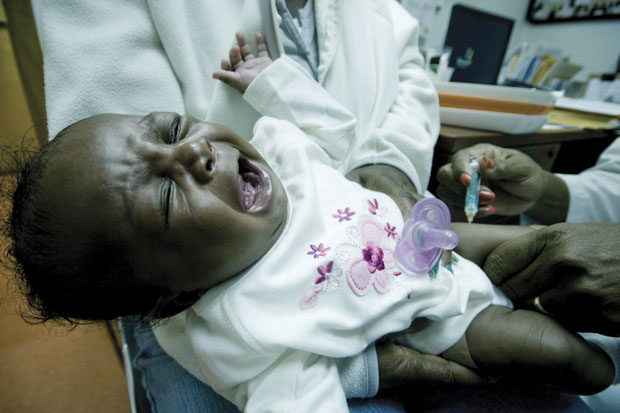
In Memphis’ Shelby County Cemetery, there’s a place they call Babyland. More than 10,000 infants are buried there, left to the public cemetery by families who couldn’t afford to take them anywhere else. The babies are tucked away in small coffins, and most of their plots are marked with metal discs engraved with numbers, but not names.
Memphis is known for a lot of things: its sweet barbecue sauce, its blues singers and Elvis, its Beale Street nightlife, and in some circles, its high infant mortality rate.
Babies die for all sorts of reasons. They get diarrhea and dehydrate; they catch pneumonia and their lungs are overwhelmed; or they are born prematurely, before their bodies can handle life on the outside. Some deaths are predictable, others sudden. But infant mortality rates are definitely higher in poorer countries: Angola has a rate of 180 deaths (before age one) per 1,000 live births, while Sweden has a rate of 2.75.
But the correlation between a country’s wealth and its infant mortality rate is not necessarily a strict one. The U.S., the richest country in the world, has a rate of 6 — at the lower end of the spectrum, but higher than that of about 40 countries. And in parts of the U.S. and for certain populations, the infant mortality rates are much higher. Shelby County, Tenn., where Memphis is the main municipality, is one of those places. In 2007, the latest year for which data is available, 193 infants died, making the county’s overall infant mortality rate 12.7 — or twice the national average. And the infant mortality rate for black babies in Shelby County is 17.8. Nationally, black women are twice as likely to have a child that will die before its first birthday than white women. Even when you control for income and education level, the disparity stands.
Rule Shields Health Workers Who Withhold Care Based on Beliefs
The Bush administration yesterday granted sweeping new protections to health workers who refuse to provide care that violates their personal beliefs, setting off an intense battle over opponents' plans to try to repeal the measure.
Critics began consulting with the incoming Obama administration on strategies to reverse the regulation as quickly as possible while supporters started mobilizing to fight such efforts.
The far-reaching regulation cuts off federal funding for any state or local government, hospital, health plan, clinic or other entity that does not accommodate doctors, nurses, pharmacists and other employees who refuse to participate in care they find ethically, morally or religiously objectionable. It was sought by conservative groups, abortion opponents and others to safeguard workers from being fired, disciplined or penalized in other ways.
But women's health advocates, family planning proponents, abortion rights activists and some members of Congress condemned the regulation, saying it will be a major obstacle to providing many health services, including abortion, family planning, infertility treatment, and end-of-life care, as well as possibly a wide range of scientific research.
The 127-page rule, which was issued just in time to take effect in the 30 days before the change in administrations, is the latest that
Vatican Ethics Guide Stirs Controversy
Church decries stem cell research, infertility treatments
The broad 32-page document, from the Catholic Church's highest rule-making authority, condemns as immoral the destruction of human embryos to obtain stem cells or treat infertility, and denounces any attempts at more futuristic possibilities such as cloning people or using gene therapy to enhance the human race.
But the church also decries procedures already commonly used to help couples have children, such as the freezing of unfertilized eggs and embryos, the injection of sperm into eggs, and genetic testing of embryos to identify those with defects. In addition, the document condemns the morning-after pill and the RU-486 abortion pill.
While many of the arguments in "Dignitas Personae" -- Latin for "the dignity of a person" -- have been made before by Pope Benedict XVI and his predecessor, Pope John Paul II, a church "instruction" from the Congregation for the Doctrine of the Faith is far more authoritative and made a number of new declarations. It reflects the Vatican's desire to focus attention on ethical questions raised by a new generation of technologies that are becoming increasingly common in theUnited States and elsewhere.
"This is significant in the sense that the church has now laid down a marker on these important issues," said Thomas H. Murray of the Hastings Center, a bioethics think tank. "The church has now dug in and committed itself to an official position."
Catholic and non-Catholic scholars were scouring the document -- which influences Catholic doctors, patients and researchers and guides priests on how to counsel the 67 million U.S. Catholics -- for any subtle changes in church positions or insights into its theological reasoning. While many U.S. Catholics do not follow many of the church's teachings, the church's pronouncements have spurred years of ethical and philosophical debate.
"Even in the secular world we take a very careful look at the religious writings in this field," said Mark A. Rothstein, who directs the bioethics institute at the University of Louisville School of Medicine.
Why Some Anti-Abortion Catholics Support Obama
Over the past quarter-century, most anti-abortion Roman Catholics have voted Republican in hopes of overturning Roe v. Wade. But some are rethinking their strategy on abortion and other social issues — and some staunchly conservative Catholics are supporting Democratic Sen. Barack Obama because they believe the battle over Roe is lost.
In September, Obama running mate Joe Biden went on NBC's Meet the Press and wandered into the religious minefield that has harmed so many Catholic politicians. Citing Thomas Aquinas, he said it's not clear when life begins.
"There is a debate in our church," Biden said. "When Thomas Aquinas wrote Summa Theologica, he said … it didn't occur until quickening, 40 days after conception."
One of those watching was Carl Anderson, head of the Knights of Columbus, a Catholic service organization. Days later, he bought several full-page newspaper ads criticizing Biden's stand on abortion. Anderson says he did it to correct what he saw as bad theology.
"We felt, look, this is taking the discussion to a different level, and it is a level which can confuse members of the Catholic community about the church teaching. And that's an issue that we should join in," Anderson says. He signed the open letter to Biden "on behalf of the 1.28 million Knights of Columbus."
When third-degree knight Rick Gebhard heard about the ad, he thought, "Well, he doesn't speak for me." Gebhard of Manistee, Mich., is married and has two children. He is anti-abortion and supports Obama, and he says he knows a lot of other Catholics who do, as well.
"I think a lot of people have been frustrated with supporting the pro-life movement for 30 some years and not see it accomplish anything," he explains. So Gebhard set up a Web site called Knights for Obama.
"A few days after the Web site was up, I got a call from an officer in my local council," he recalls. "He said that due to my involvement with the KnightsforObama.org, that lawyers were going to be involved soon, and I shouldn't be surprised when my membership as a knight was terminated."
That hasn't happened yet. But the clash suggests how razor sharp the divide has become within the conservative Catholic community.
- listen… []
Faith & Pain Report

BBC report on Religion & Pain Relief research carried out at the Oxford Centre for Science of the Mind
listen now or download mp3 format, 10 mins
And Always Let Your Conscience Be Your Guide?

Bloggingheads.tv presents a 55 minute discussion of reproductive health in the election, mostly centered on the Bush Administration effort to deny patient conscience rights, between Rob Stein of The Washington Post, and William Saletan of Slate.
November’s abortion battleground states (02:28)
If women have a choice, do doctors and pharmacists too? (03:47)
Contraception = abortion? (05:42)
How much weirdness can your conscience excuse? (07:31)
Rob on Bush’s "right-of-conscience" regulation (09:16)
When moral qualms rest on bad science (06:16)
Infant Transplant Procedure Ignites Debate
Ethicists question strategy in which hearts are removed minutes after they stop beating.

Surgeons in Denver are publishing their first account of a procedure in which they remove the hearts of severely brain-damaged newborns less than two minutes after the babies are disconnected from life support, and their hearts stop beating, so the organs can be transplanted into infants who would otherwise die.
A detailed description of the transplants in today's issue of the New England Journal of Medicine has ignited an intense debate about whether the first-of-their-kind procedures are pushing an already controversial organ-retrieval strategy beyond acceptable legal, moral and ethical bounds.
The doctors who performed the operations as part of a federally funded research project defended the practice, and some advocates for organ donation praised the operations as offering the first clear evidence that the procedures could provide desperately needed hearts for terminally ill babies.
Critics, however, are questioning the propriety of removing hearts from patients, especially babies, who are not brain-dead and are asking whether the Denver doctors wait long enough to make sure the infants met either of the long-accepted definitions of death -- complete, irreversible cessation of brain function or of heart and lung function. Some even said the operations are tantamount to murder.
"This bold experiment is pushing the boundaries and raising many questions," said James L. Bernat, a Dartmouth medical professor who wrote one of four commentaries that the journal published with the report -- an unusual step that anticipated the firestorm of reaction the procedures would cause. The journal posted them on its Web site with a videotaped debate among three prominent
Regulating Abortion
Rob Stein, National Science Reporter for the Washington Post, discusses the possibility that the Bush Administration with change regulations to redefine certain birth-control methods as abortion.
listen now or download Brian Lehrer Show - WNYC
- listen… []
Workers' Religious Freedom vs. Patients' Rights
Proposal would deny federal money if employees must provide care to which they object.
A Bush administration proposal aimed at protecting health-care workers who object to abortion, and to birth-control methods they consider tantamount to abortion, has escalated a bitter debate over the balance between religious freedom and patients’ rights.
The Department of Health and Human Services is reviewing a draft regulation that would deny federal funding to any hospital, clinic, health plan or other entity that does not accommodate employees who want to opt out of participating in care that runs counter to their personal convictions, including providing birth-control pills, IUDs and the Plan B emergency contraceptive.
Conservative groups, abortion opponents and some members of Congress are welcoming the initiative as necessary to safeguard doctors, nurses and other health workers who, they say, are increasingly facing discrimination because of their beliefs or are being coerced into delivering services they find repugnant.
But the draft proposal has sparked intense criticism by family planning advocates, women’s health activists, and members of Congress who say the regulation would create overwhelming obstacles for women seeking abortions and birth control.
There is also deep concern that the rule could have far-reaching, but less obvious, implications. Because of its wide scope and because it would—apparently for the first time—define abortion in a federal regulation as anything that affects a fertilized egg, the regulation could raise questions about a broad spectrum of scientific research and care,It's Time for the Vatican to Accept IVF

LOUISE BROWN, the world's first test-tube baby, turns 30 this week. She is no longer the miracle she once seemed: more than 3 million people have now been conceived through in vitro fertilisation. Indeed, IVF has become such a common means of conception that it is hard to believe the Catholic church still opposes it.
At the time of Brown's birth, the church was undecided about the morals and ethics of IVF, but it has since banned its members from using the technology, declaring it "morally unacceptable". That is primarily because it views fertilised embryos as potential human beings, and thus sees the destruction of embryos, a common aspect of the IVF process, as equivalent to murder.
That is not the only problem: there is also a moral question over the extent to which humans should usurp the role of the divine. In 1986 Cardinal Ratzinger, now Pope Benedict XVI, wrote that IVF "entrusts the life and identity of the embryo into the power of doctors and biologists and establishes the domination of technology over the origin and destiny of the human person". In other words, IVF allows us to play God.
The Catholic church's position is looking ever more absurd, especially when you consider that it stands virtually alone on this matter. The vast majority of Jewish, Muslim, Buddhist and Hindu groups see IVF as a useful means to an essential end: overcoming infertility. Muslim scholars issued their first proclamation, or fatwa, on IVF within two years of Brown's birth. This came from the leaders of the majority Sunni group, to which over 90 per cent of the world's 1.3 billion Muslims belong. The fatwa decreed that a married couple
Heart Pump Creates Life-Death Ethical Dilemmas
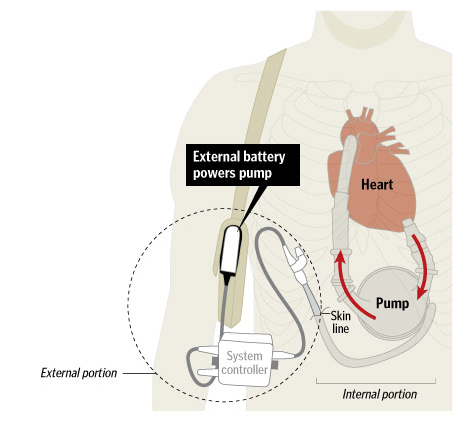
After bypass surgery and two heart attacks, the 62-year-old's heart was failing. Desperate, he grasped at his last hope: a surgically implanted heart pump. But following infections, kidney failure and other complications, along with months in the hospital, he returned home weaker than ever.
"He now sleeps a great deal, eats poorly, walks little and needs help to go to the bathroom. He also complains of significant pain," Jeremy R. Simon, a bioethicist at Columbia University, wrote recently in a medical ethics journal. "He understands that he will likely die within hours after the device is turned off, but he no longer wishes to live in his current state."
The man's request to shut off the pump, however, made Simon, who serves on the ethics committee at New York-Presbyterian Hospital, uncomfortable. Turning it off would be "tantamount to removing the patient's heart," he wrote, changing some details to protect the patient's privacy. "Medicine has no role in such cases."
Such cases, while unusual, are occurring more frequently as the rapidly rising number of elderly Americans is making heart failure more common and fueling demand for partial artificial hearts. Although most requests to discontinue the devices are honored, some patients have been found dead alone at home with their pumps powered off, raising fears that they may have taken matters into their own hands.
The debate illustrates how new medical technologies often proliferate before society has resolved the issues they raise, such as what to do when a patient has had enough. Similar clashes have arisen over pacemakers and implanted defibrillators, and experts say such predicaments will multiply as researchers rush to develop a host of other replacement organs.
"Anytime you create new forms of life support, you create the possibility for new ethical dilemmas," said Katrina A. Bramstedt, a bioethicist at the California Pacific Medical Center in San Francisco.
The latest quandary centers on left ventricular assist devices (LVADs), which are implanted near the heart and attached to one of the main pumping chambers and the aorta, the main artery supplying blood to the body.
After decades of disappointing attempts to create fully implantable artificial hearts, LVADs emerged as an intermediate crutch to keep transplant candidates alive long enough to get a donated organ. But after researchers discovered that the devices could significantly improve a patient's quality of life, doctors began using them as "destination" therapy, meaning patients would live with them for years with no expectation of a transplant. "It's a new field," said Soon J. Park, director of the LVAD program at the Mayo Clinic in Rochester, Minn. "There are plenty of people who are sick out there who would benefit from this."
Susan Sontag's Final Wish
She wanted hope, a reason to believe she would survive cancer. In a candid interview, her son, David Rieff, discusses his mother's battle to live and his struggle to hide the truth.


David Rieff has written a sobering and often horrifying account of his mother's final days. In 2004, his mother, Susan Sontag, died from a brutal form of blood cancer, myelodysplastic syndrome. She fought her illness to the end, implicitly asking those closest to her, including her son, to lie: She didn't want anyone to tell her she was dying. It's a striking contrast. The celebrated writer demanded honesty of intellectuals -- Rieff says she loved reason and science "with a fierce, unwavering tenacity bordering on religiosity" -- yet maintained a willful delusion about her death.
In "Swimming in a Sea of Death," Rieff wrestles with how to be a dutiful son to his dying mother while being true to himself. It's a remarkably unsentimental account. There's no gushing between mother and son or deathbed reconciliations. This is not a portrait of Rieff's relationship with Sontag, though at one point he refers to their "strained and at times very difficult" relations. It is a book about dying, grieving and what it means to survive the death of a loved one.
Beginning in the 1960s, Sontag became a cultural critic with enormous range, dissecting everything from camp to Marxist critic Walter Benjamin, from photography to how illness is misread as a metaphor for patients' psychology. She was a best-selling novelist and a singular presence -- the brainy, glamorous woman who held her own among the testosterone-filled intellectuals of the period.
Rieff is a distinguished author in his own right. A contributing writer to the New York Times Magazine, and a past contributor to Salon, he's reported on war-ravaged countries and carved out his own reputation as an acute analyst of foreign policy. Rieff refers to writing s "the family olive oil business." His father, the sociologist Philip Rieff, wrote his own masterpiece, "The Triumph of the Therapeutic: Uses of Faith After Freud." Sontag married Rieff when she was 17 and left him seven years later. In her later years, she had a
Little Children
Embryo: A Defense of Human Life by Robert P. George and Christopher Tollefsen


Thirty-five years after Roe v. Wade, the pro-life movement faces a new challenge: biotechnology. The first human biotech issue, embryonic stem-cell research, looks like an easy call. Stem cells could save millions of lives. And the entity we currently sacrifice to get them—a sacrifice that may soon be unnecessary—is a tiny, undeveloped ball of cells. The question, like the embryo, seems a no-brainer.
For pro-lifers, that’s precisely the problem. Biotechnology is arguably more insidious than abortion. Abortions take place one at a time and generally as a response to an accident, lapse or nasty surprise. Their gruesomeness actually limits their prevalence by arousing revulsion and political opposition. Conventional stem-cell harvesting is quieter but bolder. It’s deliberate and industrial, not accidental and personal. In combination with cloning, it entails the mass production, exploitation and destruction of human embryos. Yet its victims don’t look human. You can’t protest outside a fertility clinic waving a picture of a blastocyst. You have to explain what it is and why people should care about it.
This is the task Robert George and Christopher Tollefsen undertake in Embryo. To reach a secular and skeptical public, they avoid religion and stake their case on science. George, a professor of jurisprudence at Princeton and a member of the President’s Council on Bioethics, and Tollefsen, a philosopher at the University of South Carolina, locate humanity not in a soul but in a biological program. "To be a complete human organism," they write, "an entity must possess a developmental program (including both its DNA and epigenetic factors) oriented toward developing a brain and central nervous system." The program begins at conception; therefore, so does personhood.
The argument’s absolutism is crucial. In the last three months, scientists have announced two ways to get stem cells without killingResearch and Ethical Questions Remain Following Stem-Cell Breakthrough

Could Breakthrough End Political Debate over Stem Cells?
Blockbuster news from Wisconsin and Japan may pack the potential to end America's ethical battle over destroying embryos to extract their stem cells.

Blockbuster news from Wisconsin and Japan today appears to pack the potential to end America's political and ethical battle over destroying embryos to extract their stem cells.
"This could take stem cell research out of the abortion debate," said Jeffrey Kahn, director of the Center For Bioethics at the University of Minnesota.
First, the news. Scientists genetically reprogrammed ordinary human skin cells to create the equivalent of embryonic stem cells. No embryos or human eggs were involved. In other words, these new-found cells could realize the healing potential that is expected for stem cells without the controversy that has stifled research on the embryonic version.
Two competing research teams reported the finding simultaneously. One team, at the University of Wisconsin-Madison, works in a laboratory led by James Thomson, the scientist who set off the controversy in 1998 by first isolating lines of stem cells from human embryos.
Key questions
Debate over embryonic stem cells has raged for years from church pulpits to Capitol Hill. Since 2001, the United States has banned federal funding for research on all but a few lines of the cells. Last year, President Bush vetoed a bill that would have lifted the ban, saying "it crosses a moral boundary that our decent society needs to respect."
Nothing in the research reported this week should disqualify these new studies from federal funding, said Kahn, who has written and
Embryonic Stem Cells without Embryos
William Hurlbut on the embryonic future

William Hurlbut, a physician and ethicist, is best known as a member of the President's Council on Bioethics. Though he has spoken out against the destruction of embryos for research purposes, he is nonetheless a supporter of embryonic-stem-cell research. He avoids what would otherwise be a terminal paradox through a proposal that he calls "altered nuclear transfer," or ANT. His goal: to create embryonic stem cells without destroying human embryos.
One of the most promising methods for creating embryonic stem cells is cloning: the nucleus of an egg cell is replaced by the nucleus of an adult cell, a process called somatic-cell nuclear transfer. The egg is then induced to divide, and the stem cells harvested from the resulting embryo are pluripotent, meaning they can form any sort of tissue in the body. But harvesting the stem cells destroys the embryo. By contrast, ANT (which has been shown to work in mice, if not humans) switches off vital genes--through alteration of the somatic-cell nucleus, the cytoplasm of the egg, or both--before the transfer takes place. Hurlbut says the resulting cell mass could not become an embryo but could produce pluripotent stem cells.
Hurlbut recently spoke with Michael Fitzgerald about ANT.
MF:
What compelled you to come up with altered nuclear transfer?William Hurlbut: When the President's Council met [to debate the ethics of stem-cell research, in 2002], it was clear that both sides of this debate are promoting important positive goods: that on the one hand you have people trying to defend human dignity from its earliest stages, and on the other hand you have people trying to promote advances in science and medicine. And as I sat there and listened to this debate, I thought, "Isn't there an answer to this? Isn't there some third option, some way that both of these goals can be achieved?"
I thought of dermoid cysts, benign ovarian tumors that produce all the cell types, tissues, and partial organs of the human body. Clearly something like embryonic stem cells is being produced in those tumors. And I thought to myself, "If nature can do this, we can do it. There must be simple technological alterations we could use in concert with nuclear transfer such that we produced embryonic-type, pluripotent stem cells, but without producing the unitary organism that is a human embryo."
When to Let Go? Medicine's Top Dilemma
(Reuters) - A terminal leukemia patient must have daily blood transfusions or die. A family begs doctors to do everything possible to keep their elderly mother alive. Parents cannot accept their newborn baby will not survive.

WASHINGTON (Reuters) - A terminal leukemia patient must have daily blood transfusions or die. A family begs doctors to do everything possible to keep their elderly mother alive. Parents cannot accept their newborn baby will not survive.
End-of-life issues top the list of ethical dilemmas hospitals face as medical progress enables doctors to extend an endangered life to the hard-to-determine point where they may actually only be dragging out death.
Private dramas like these play out in hospitals every day, rarely hitting the headlines as did the family feud over ending life support for Terri Schiavo in the United States in 2005 or a British couple's fight to save their severely handicapped baby Charlotte Wyatt in 2003 when doctors wanted to give up on her.
These patients used to just die naturally, but now it might be doctors, hospital ethics committees or courts that decide if and when to let them. The more science discovers, especially about the brain, the harder it can get to make that decision.
"The ability of medicine to keep people alive for such long periods of time -- despite their best efforts to die -- has changed the way people perceive the end of life," said Susan desJardins, a pediatric cardiologist and member of the ethics committee at Arnold Palmer Hospital in Orlando, Florida.
"We have to ask when to provide care, when to stop care, when care is futile," she said during a recent bioethics course for health care professionals at Georgetown University's Kennedy Institute of Ethics.
Human Organ Trafficking Threatens Donation Schemes
(Reuters) - Illegal trafficking of human organs from poor to rich countries threatens to undermine donation programs in industrialized states and worsen a growing shortage, transplant experts said on Monday.
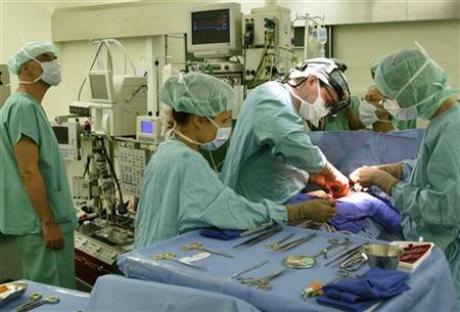
ROTTERDAM (Reuters) - Illegal trafficking of human organs from poor to rich countries threatens to undermine donation programs in industrialized states and worsen a growing shortage, transplant experts said on Monday.
Exploiting poor donors, especially for kidneys, is creating a kind of "medical apartheid" that risks turning public opinion against transplantation schemes and could threaten rich states' legal donation programs, experts said.
"Organ trafficking and its consequences are of grave concern for transplantation and public trust in medical establishments," University of Pennsylvania bioethicist Debra Budiani told a conference aimed at a common European policy on transplants.
Andre Kottnerus, chairman of the Netherlands Health Council, said health officials had to speak out more publicly against organ trafficking, which the World Health Organization (WHO) says accounts for up to 10 percent of transplants worldwide.
"As a scientific community, we have to be accountable to society not only for the successes but also for the failures and threats," he said.
Transplantation is a growing problem in rich states because waiting lists are growing far faster than the supply of organs.
Kidneys are in dramatically short supply, prompting a black market where the poor receive small sums for donating kidneys sold to rich recipients for many thousands of dollars.
There are about 95,000 people waiting for kidney transplants in the United States and about 65,000 in Europe, said Michael Bos of the Netherlands Health Council. Annual transplant rates run about 25,000 in the United States and 16,000 in Europe.
New Trend in Organ Donation Raises Questions
As alternative approach becomes more frequent, doctors worry that It puts donors at risk.

The number of kidneys, livers and other body parts surgeons are harvesting through a controversial approach to organ donation has started to rise rapidly, a trend that is saving the lives of more waiting patients but, some say, risks sacrificing the interests of the donors.
Under the procedure, surgeons are removing organs within minutes after the heart stops beating and doctors declare a patient dead. Since the 1970s, most organs have been removed only after doctors declared a patient brain dead.
Federal health officials, transplant surgeons and organ banks are promoting the alternative as a way to meet the increasing demand for organs and to give more dying patients and their families the solace of helping others.
Some doctors and bioethicists, however, say the practice raises the disturbing specter of transplant surgeons preying on dying patients for their organs, possibly pressuring doctors and families to discontinue treatment, adversely affecting donors' care in their final days and even hastening their deaths.
Nevertheless, the number of these donations is on the rise. It more than doubled from 268 in 2003 to at least 605 in 2006, enabling surgeons to transplant more than 1,200 additional kidneys, livers, lungs, hearts and other organs.
"It's starting to go up exponentially," said James Burdick, who leads organ-donor efforts at the federal Department of Health and
'Embryo Bank' Stirs Ethics Fears
Firm Lets Clients Pick Among Fertilized Eggs
A Texas company has started producing batches of ready-made embryos that single women and infertile couples can order after reviewing detailed information about the race, education, appearance, personality and other characteristics of the egg and sperm donors.
The Abraham Center of Life LLC of San Antonio, the first commercial dealer making embryos in advance for unspecified recipients, was created to help make it easier and more affordable for clients to have babies that match their preferences, according to its founder.
"We're just trying to help people have babies," said Jennalee Ryan, who arranged for an egg donor to start medical treatments to produce a second batch of embryos this week. "For me, that's what this is all about: helping make babies."
But the embryo brokerage, which calls itself "the world's first human embryo bank," raises alarm among some fertility experts and bioethicists, who say the service marks another disturbing step toward commercialization of human reproduction and "designer babies."
"We're increasingly treating children like commodities," said Mark A. Rothstein, a bioethicist at the University of Louisville in Kentucky. "It's like you're ordering a computer from Dell: You give them the specs, and they put it in the mail. I don't think we should consider mail-order computers and other products the same way we consider children."
Prospective parents have long been able to select egg or sperm donors based on ethnicity, education and other traits. Couples can also "adopt" embryos left over at fertility clinics, or have embryos created for them if they need both eggs and sperm. But the new service marks the first time anyone has started turning out embryos as off-the-shelf products.
Before contracting for the embryos, clients can evaluate the egg and sperm donors, and can even see pictures of them as babies, children and sometimes adults. A fertility specialist will then transfer the embryos into a client's womb or into a surrogate, which Ryan can also arrange.
"We're unique," Ryan said. "We're the only one in the world doing this right now."
Some fertility doctors and ethicists are undisturbed by the Abraham Center because the service does not differ markedly from what already happens routinely at fertility clinics.
"I know some people say: 'This is shocking. Embryos made to order,' " said John A. Robertson of the University of Texas at Austin, who advises fertility specialists on ethical issues. "But if you step back a little bit, you realize that people are already choosing sperm and egg donors in separate transactions. Combining them doesn't pose any new major ethical problems."
But others condemned the process as the unsettling culmination of recent objectionable developments, including the payment of egg and sperm donors and the growing tendency to try to select traits such as sex, intelligence and appearance.
"People have long warned we were moving toward a 'Brave New World,' " said Robert P. George of Princeton University, who serves on the President's Council on Bioethics. "This is just more evidence that we haven't been able to restrain this move towards treating human life like a commodity. This buying and selling of eggs and sperm and now embryos based on IQ points and PhDs and other traits really moves us in the direction of eugenics."
Institute Practices Reproductive Medicine—and Catholicism
Craig Turczynski traveled from Texas to find ways to help infertile women that do not conflict with his religious beliefs. Cherie LeFevre came from St. Louis to learn how to treat her OB-GYN patients in obedience to her Catholicism. Amie Holmes flew from Ohio so she could practice medicine in conformity with church teachings when she graduates from medical school.
On a journey that would blend the aura of a pilgrimage with the ambience of a medical seminar, the three arrived at an unassuming three-story red-brick building on a quiet side street in this Missouri River city.
Their destination was the Pope Paul VI Institute for the Study of Human Reproduction, which has become perhaps the most prominent women’s health center serving Catholics and other doctors, medical students and patients who object for religious reasons to in vitro fertilization, contraceptives and other aspects of modern reproductive medicine.
"We have built a new women’s health science," said Thomas W. Hilgers, who runs the institute. "Our system works cooperatively with the natural fertility cycle and enables doctors to treat women and married couples, especially Catholic married couples, in a way that allows them to live out their faith."
Hilgers and his supporters say the approach, called "natural procreative technology" or "NaProTechnology," can address a spectrum of women’s health issues, including family planning, premenstrual syndrome, postpartum depression and infertility, without the use of birth control pills, sterilization, abortion or in vitro fertilization (IVF). Instead, Hilgers said, he uses diagnostics, hormones and surgery to identify and treat underlying causes of reproductive ailments that other doctors often miss.
Woman in Vegetative State, Brain Shows Surprising Activity
Tests Indicate Awareness, Imagination
According to all the tests, the young woman was deep in a "vegetative state"—completely unresponsive and unaware of her surroundings. But then a team of scientists decided to do an unprecedented experiment, employing sophisticated technology to try to peer behind the veil of her brain injury for any signs of conscious awareness.
Without any hint that she might have a sense of what was happening, the researchers put the woman in a scanner that detects brain activity and told her that in a few minutes they would say the word "tennis," signaling her to imagine she was serving, volleying and chasing down balls. When they did, the neurologists were shocked to see her brain "light up" exactly as an uninjured person’s would. It happened again and again. And the doctors got the same result when they repeatedly cued her to picture herself wandering, room to room, through her own home.
"I was absolutely stunned," said Adrian M. Owen, a British neurologist who led the team reporting the case in today’s issue of the journal Science. "We had no idea whether she would understand our instructions. But this showed that she is aware."
While cautioning that the study involved just one patient who had been in a vegetative state for a relatively short time, the researchers said it could force a rethinking of how medicine evaluates brain-damaged patients.
"We have found a method for determining if a patient is aware," Owen said. "It provides us with a tool that may be able to help make difficult decisions about these patients."
Medical Practices Blend Health and Faith
Doctors, Patients Distance Themselves from Care They Consider Immoral
Sandwiched between a swimming pool store and a spice shop on Lee Highway in Fairfax, the Tepeyac Family Center looks like any other suburban doctor's office. But it isn't.
The practice combines "the best of modern medicine with the healing presence of Jesus Christ," a brochure at the reception desk announces. An image of the Madonna greets every patient. Doctors, nurses and staff members gather to pray each day before the first appointments.
The center is one of a small but growing number of practices around the country that tailor the care they provide to the religious beliefs of their doctors, shunning birth-control and morning-after pills, IUDs and other contraceptive devices, sterilizations, and abortions, as well as in vitro fertilization. Instead, doctors offer "natural family planning" -- teaching couples to monitor a woman's temperature and other bodily signals to time intercourse.
Proponents say the practices allow doctors to avoid conflicts with patients who want services the practitioners find objectionable, as well as to provide care that conforms with many patients' own values. The approach, they say, provides an alternative to mainstream medicine's reliance on drugs and devices that, they argue, carry side effects and negatively affect
Ethics vs. Responsibility in Medicine
In hospitals and medical practices around the country, doctors and nurses refuse to perform certain medical procedures because of their personal beliefs. Guests on the program discuss the rights of the patient, and whether or not a health care professional’s personal convictions should outweigh his or her professional responsibilities.
listen now or download [mp3 audio, 30 minutes 22 seconds, ~10.4 MB]
Right of Conscience

Around the United States, health workers and patients are clashing when providers balk at giving care that they feel violates their beliefs, sparking an intense, complex, and often bitter debate over religious freedom vs. patients’ rights.
For example, some anesthesiologists refuse to assist in sterilization procedures, respiratory therapists sometimes object to removing ventilators from terminally ill patients, and gynecologists around the country have declined to prescribe birth control pills.
Legal and political battles have followed. Patients are suing and filing complaints after being spurned. Workers are charging religious discrimination after being disciplined or fired. Congress and more than a dozen states are considering new laws to compel workers to provide care—or, conversely, to shield them from punishment.
A Medical Crisis of Conscience
Faith drives some to refuse patients medication or care.

In Chicago, an ambulance driver refused to transport a patient for an abortion. In California, fertility specialists rebuffed a gay woman seeking artificial insemination. In Texas, a pharmacist turned away a rape victim seeking the morning-after pill.
Around the United States, health workers and patients are clashing when providers balk at giving care that they feel violates their beliefs, sparking an intense, complex and often bitter debate over religious freedom vs. patients' rights.
Proponents of a "right of conscience" for health workers argue that there is nothing more American than protecting citizens from being forced to violate their moral and religious values. Patient advocates and others point to a deep tradition in medicine of healers having an ethical and professional responsibility to put patients first.The issue is driven by the rise in religious expression and its political prominence in the United States, and by medicine’s push into controversial new
Legal and political battles have followed. Patients are suing and filing complaints after being spurned. Workers are charging religious discrimination after being disciplined or fired. Congress and more than a dozen states are considering laws to compel workers to provide care—or, conversely, to shield them
For Some, There Is No Choice
When the dispatcher called, Stephanie Adamson knew this might be the run she had feared. But it wasn't until her ambulance arrived at the hospital and she saw the words "elective abortion" on the patient's chart that she knew she had to make a choice.
"I just got a sick feeling in my stomach," said Adamson, an emergency medical technician from Channahon, Ill.Adamson called her boss to say she could not transport the patient to the other hospital where the procedure was scheduled.
"I just knew I couldn’t do it. I’ve never been for abortion—I’ve always been against it," Adamson said. "I was brought up in a Christian home and always believed life was precious."
Adamson’s supervisor fired her on the spot and dispatched another ambulance to transfer the distraught young patient."It was a very long drive home," said Adamson, who sued the ambulance company in May 2004, charging religious discrimination over her 2003 dismissal. "I pretty much cried all the way. I was very upset and scared."
Many religious health workers find no conflict between their beliefs and their jobs. But others describe what amounts to a sense of siege, with the secular world increasingly demanding they capitulate to doing procedures, prescribing pills or performing tasks that they find morally reprehensible.
Beginning in medical and nursing schools, some health workers describe struggling over where to draw the line. Will they refuse to
Seeking Care, and Refused
Desperate to have a baby, Guadalupe Benitez was hoping her next try would finally work. So Benitez was stunned when a crucial moment arrived in her cycle and her fertility clinic refused to do the insemination procedure.
"I was in tears," said Benitez, 34, of Oceanside, Calif. "I wanted to be a mom. I was in a panic."
The clinic told Benitez, who is gay, that staff members were uncomfortable about treating her because of their religious values.
"I couldn’t believe what I was hearing. It was almost surreal," Benitez said. "It was so upsetting."
Benitez eventually conceived a boy, then twin girls, with the help of another specialist. But she sued the clinic and two of its doctors in 2001, charging discrimination.
"The psychological scars are still with me," said Benitez, whose case is before the California Supreme Court. "I grew up in a very religious family. But I don’t think that religion tells you you can judge other people."
Patients around the country describe similar experiences—being shocked, judged, humiliated, frightened and angered when they have encountered health-care workers who are overt in some religious beliefs.
Sometimes providers proselytize gay or unmarried patients but do provide care. Sometimes they refuse to fill prescriptions for birth control or morning-after pills but refer patients elsewhere. Other times they refuse to treat them at all.
Many patients decline to be identified because the refusals occur at deeply personal, often traumatic moments, such as the point of discontinuing care for a dying loved one.
But some patients agreed to be interviewed, including Deb, who was turned away by pharmacist Gene Herr at a drugstore in Denton, Tex., in 2004, when she tried to get the morning-after pill after being raped on a date. She discussed her experience with a reporter for
Health Workers Face Issues of Moral Conflict

Several states consider laws protecting health workers who refuse to provide services that conflict with their beliefs. Where is the line between an individual's religious or moral beliefs and one's duties as a licensed professional? And what about the rights of patients?
January 31, 2006 - NEAL CONAN, host:
This is TALK OF THE NATION. I'm Neal Conan in Washington. Last Friday, four pharmacists filed a lawsuit in Madison County, Illinois, against Walgreens. They claim the drugstore chain violated their rights under Illinois' Healthcare Right of Conscience Act when Walgreens placed them on unpaid leave for refusing to dispense morning after pills. According to the Right of Conscience Act, workers cannot be forced to act contrary to their conscience.
Walgreens said the chain was just trying to fulfill its requirements under another state law which requires all Illinois pharmacies to dispense contraceptives without delay. As this story illustrates, healthcare has become the main front in the struggle between a person's moral beliefs and the requirements of his or her job, not just pharmacists but doctors and nurses, as well, and the issues go beyond abortion to include inVitro fertilization, physician-assisted suicide, even some services for gays and lesbians. At the heart of the matter is the idea of a right of conscience. Where's the line between an individual's religious belief and ones duties as a licensed professional? What about the rights of patients?
Later in the program, Writer Allen Kurzweil joins us to explain the physics and the metaphysics of the potato chip, but first healthcare workers and conscience. If you've encountered this line as doctor, nurse, pharmacists or patient, gives us a call. Our number is 800-989-8255. That's 800-989-TALK. Our e-mail address is [email protected]. Rob Stein joins us now, a reporter for the Washington Post who's been covering this issue. He's with us from the Post studios here in Washington, DC. Nice of you to be on the program today, Rob.
listen now or download Talk of the Nation
- listen… [Talk of the Nation]
Health Workers' Choice Debated
Proposals back right not to treat.
Because many legislatures have just convened, advocates on both sides are predicting that the number debating such proposals will increase. At least 18 states are already considering 36 bills.
"It’s already a very hot issue," said Edward R. Martin Jr. of the Americans United for Life, who is advising legislators around the country pushing such bills. "I think it’s going to get even hotter, for lots of reasons and in lots of places."
The flurry of political activity is being welcomed by conservative groups that consider it crucial to prevent health workers from being coerced into participating in care they find morally repugnant—protecting their "right of conscience" or "right of refusal."
South Korean Scandal Brings Worries in Stem Cell Projects
Embryonic stem cell researchers are worried about the future of international cooperation in their field after a prominent scientist's surprise resignation from a fledgling stem-cell-sharing effort.
On Thanksgiving, South Korean scientist Woo-suk Hwang of Seoul National University resigned as head of the World Stem Cell Hub, a nascent international embryonic stem cell research effort he started. In 2004, Hwang's team was the first to clone human embryonic stem cells, master cells from which specific kinds of tissue arise.
Since then, Hwang's team has become the world's leader in stem cell research. This year, it unveiled 11 more cloned stem cell lines, and it cloned a dog.
But a team member, the University of Pittsburgh's Gerald Schatten, resigned this month. He warned of ethical breaches involving junior lab members inappropriately donating eggs for research.
Donor eggs are combined with skin cells in the cloning process. Hwang's 2004 paper said all eggs had been freely given by anonymous donors. But he acknowledged that a team doctor paid 20 women about $1,400 each to donate eggs. Hwang also confirmed Schatten's charges. Hwang acknowledged that he did not disclose these breaches upon learning of them.
"No question that people are taking a step back from interacting with the Hub," says Leonard Zon, former president of the International Society for Stem Cell Research. "It remains for Dr. Hwang's colleagues to prove the future of the Hub can be maintained."
The organization will outline new ethics guidelines this week.
Paul Root Wolpe of the Center for Bioethics at the University of Pennsylvania points out that Hwang did not resign because he used eggs from his researchers but because he lied about it and brought shame "in a country where public shame is so powerful."
He is not the only one to note that Hwang's findings have not been compromised. "While ethical issues about (egg) donation should be debated and the process regulated, the scientific conclusions of Dr. Hwang's research remain intact," Schatten said in a statement.
The South Korean government says it will still pay for Hwang's work, and thousands of women have since offered their eggs, according to news reports.
"Korean bioscientists have opened a new era with cutting-edge technology, but I don't think there is any bioethics relevant to that at this moment here," says theologian Heup Young Kim of South Korea's Kangnam University. "We have our different social and cultural context, so we have to formulate our own bioethics."
One irony of Hwang's resignation is that South Korea's egg donation standards, and those of Hwang's lab, are now stricter than U.S. standards, says bioethicist Insoo Hyun of Case Western Reserve University in Cleveland. The lab requires consent forms and psychological evaluations for donors. And earlier this year, South Korea outlawed paying for eggs, which is legal in the USA.
Stem cell researchers hope to create replacement tissues to treat diseases such as diabetes and Parkinson's. Opponents assail the destruction of embryos involved in gathering the cells. President Bush has restricted research money.
"I would hate to see the United States get on an ethics high horse as if we are moral and other countries such as Korea are not," says the Rev. Ronald Cole-Turner of Pittsburgh Theological Seminary.
"Which society is the more ethical?" he asks. "The one that at least has a standard or the one that can't find a reasonable degree of compromise to create a standard?"
50 Years of Change
In the past half-century, death has been transformed by scientific, technological and social changes. Today, about 80% of Americans die in a health care facility. Some milestones:
1950s
Respiratory support, particularly by ventilators, gains widespread use to sustain polio patients.
1960s
1963: Kidney dialysis invented in Seattle.
1965: Medicare increases access to medical care for millions of Americans, raising new ethical questions: How much to spend? How far to go?
1966: National Academy of Sciences recommends training physicians in the new lifesaving technique of cardiopulmonary resuscitation.
1965-68: National Institutes of Health revolutionizes research and treatment ethics, calling for informed consent for tests, surgeries and procedures.
1967: The first successful heart transplant prompts Harvard anesthesiologist Henry Beecher to seek a new criteria for death to allow transplants of vital organs while the heart is still beating.
1968: Harvard Ad Hoc Committee to Examine the Definition of Death adds brain-death criteria — irreversible cessation of all functions of the entire brain — to the traditional heart-death definition.
When Life's Flame Goes Out
Americans talk endlessly about death.
We want a "good death," a "natural death," a "death with dignity," researchers say.
We'd like to say all farewells, repent all sins — or accept our karmic consequences — and then blink out like a candle.
We just can't agree on what that looks like, how it happens, even the very definition of "death."
Our society is splintered on when — or whether — to begin or end a bewildering array of life-support technologies that didn't exist 50 years ago. When the end is near, must we leave the timing to God or nature?
Today the U.S. Supreme Court hears a challenge to the Oregon law that allows doctors to prescribe a lethal overdose for a dying patient. Advocates for the law call it "physician-assisted dying." Opponents call it suicide — or murder.
The Bush administration will argue that Oregon's Death with Dignity Act violates federal drug laws; the case of Gonzales v. Oregon probably will turn on the fine point of state vs. federal authority.
But public debate has not been so confined. Opinion polls since 1973 suggest that most Americans have supported allowing someone with "an incurable disease" to end his or her life "by some painless means." In a USA TODAY/CNN/Gallup Poll in 2004, 69% supported that view. But that could apply to people who refuse or stop medical treatment they consider futile. ()
When Americans were asked in a USA TODAY/CNN/Gallup Poll in September whether a doctor should be allowed to prescribe an overdose to help someone "end his or her life," 54% said yes. When the question used the words "help the patient commit suicide," 46% said yes.
Defining the Language of Life, Death
The vocabulary of death and dying is elusive. Words raise questions about end-of-life decisions not just for patients and families but for clergy, doctors, ethicists. etc. USA TODAY asked experts to comment.
The vocabulary of death and dying is elusive. Words raise questions about end-of-life decisions not just for patients and families but also for clergy, doctors, legal experts, ethicists and academicians.
Advance directives
The two best-known advance directives — an umbrella term for written or verbal instructions for medical care if someone is incapacitated and cannot make decisions — are the health care proxy, also called power of attorney, and the living will.
A living will can be a general indication of someone's wishes or a specific listing of types of care, such as a feeding tube, the patient might wish to reject under certain circumstances.
The proxy designates someone who knows the patient's wishes as the surrogate decision-maker.
But even though hospitals are required to ask patients whether they have these documents, health care researchers have found that living wills frequently fail because they are too often vague, confusing, expensive and not always enforced. A report last week by the President's Council on Bioethics called living wills "of limited value."
Autonomy
Bioethics experts who operate from primarily secular principles say a person's right to determine his or her own course should be the most important factor in making medical decisions. "In our pluralistic society, we go by the patient's values, religious or secular, and not necessarily our own," says Timothy Quill, professor of medicine, psychiatry and medical humanities at the University of Rochester
Quotes: Death and Dying
"While the time of actual medical dying is very, very short, there is a prolonged time in the gray zone where you never know how far along you are. ... It's a label that comes too late."
—
"Any definition of brain death is irrelevant to God ... He gives us death, a biological marker, which says to us, 'A transition takes place and you relate to me now in a different way.' "
—
"Physician-assisted suicide is the right of personal autonomy taken to its extreme, but Oregon's law ... is not about pain; it's about control of your life."
—
"Very few individuals are capable of making decisions. Most make them under pressure, scared, sick, out of money or afraid to be out of money. ... Living wills are a ghastly charade."
—
"We are a country inspired and driven, for good and for evil, by the notion that individuals have a right to choose their fate if it doesn't hurt someone else."
—
"To her husband, Terri Schiavo was defined by ... her ability to think, to love, to be in a relationship. ... But for her parents, if any part of Terri was there, they felt they were in her presence."
—
"Why do people think they alone are the judges of quality of their life? ... We are left like atoms, bouncing against each other, not a robust community of human beings with a stake in one another's lives."
—
"These are the arguments of an advanced, free society. There are no such discussions in Egypt or Iran. There's no general public debate over death and dying. That's for the elite."
—
Where the Faiths Stand
Oregon's law allowing a dying person to seek a doctor's prescription for a lethal dose of medication breaks with traditional religious doctrines:
"We are encouraged, if our end is to be loving, to examine how can we do that best. I don't love someone best by saying, 'There are no possibilities for you, no hope or meaning...' Who am I to say that?"
When the Questions Get Difficult, Here's Where to Turn
High-profile voices from five bioethics centers across the country comment on the field of bioethics.
 Daniel Callahan
The Hastings Center, Garrison, N.Y., calls itself the "oldest independent, non-partisan bioethics research institute." Director Daniel Callahan, who founded the multi-disciplinary center in 1969, says it is secular, but raises questions from many perspectives, including religion.
Some Hastings fellows support embryonic stem cell research; Callahan, an atheist, opposes it. The debate "is typically cast as balancing the destruction of embryos vs. the lives that might be saved" by using them. But he asks "Do we have a moral obligation to come up with these cures? What are the values and boundaries of research, its limits?"
 Tom Beauchamp
Kennedy Institute of Ethics at Georgetown University, which was founded in 1971, calls itself the "world's oldest and most comprehensive academic bioethics center." Many of the top bioethicists trained here with professors such as Tom Beauchamp, who is co-author of Principles of Biomedical Ethics.
Traditional Catholics blast Beauchamp for serving on the board of an organization that promoted an Oregon law allowing physicians to prescribe a lethal drug dose for terminally ill patients. But he says moral principles such as autonomy are not based in any one theology: "What secular ethics is fundamentally about in a secular society is what we can all agree on."
The University of Pennsylvania Center for Bioethics, founded by former Hastings fellow Arthur Caplan, is multidisciplinary; sociologist Paul Root Wolpe, NASA's first bioethics chief, is a senior fellow, as is his father, Rabbi Gerald Wolpe. Paul Wolpe often asks questions raised by medical advances: "Did morality change since 1970 just because we can keep someone going who would have died? Just because we can is not a moral argument."
 C. Ben Mitchell
The Center for Bioethics and Human Dignity, which is affiliated with Trinity International University in Deerfield, Ill., takes a conservative Christian view, including commitment to belief in the bodily resurrection of the dead.
Bioethics 'Expertise' Comes from All Corners
Any given Sunday morning, a bioethicist somewhere in America suits up for a TV appearance on the hot issue of the day or stands by a hospital bed to consult on a wrenching dilemma.
Should doctors prolong the life of a baby born without a brain? Should they be allowed to help the terminally ill kill themselves by prescribing a lethal drug dose? Should there be limits on embryonic stem cell research?
But who are these people opining on what we should do?
"Anyone who wants to," says Arthur Derse, chairman of Veterans' Health Administration's National Ethics Committee.
He's president of the American Society for Bioethics and Humanities, which draws most of its 1,600 members from medical schools and academics in ethics and philosophy. Lawyers, theologians, clergy members, sociologists and others staff scores of bioethics centers and work in the pharmaceutical industry as well.
There are no standards or certification procedures, says Derse, an emergency medicine physician. And rarely are bioethicists questioned about the basis for their views or who pays for their work.
It's hard for the average person to sort out the political activists with an agenda or ethicists with a vested interest, such as those employed, directly or indirectly, by drug companies seeking an ethical halo for their products.